
by admin
Share
by admin
Share
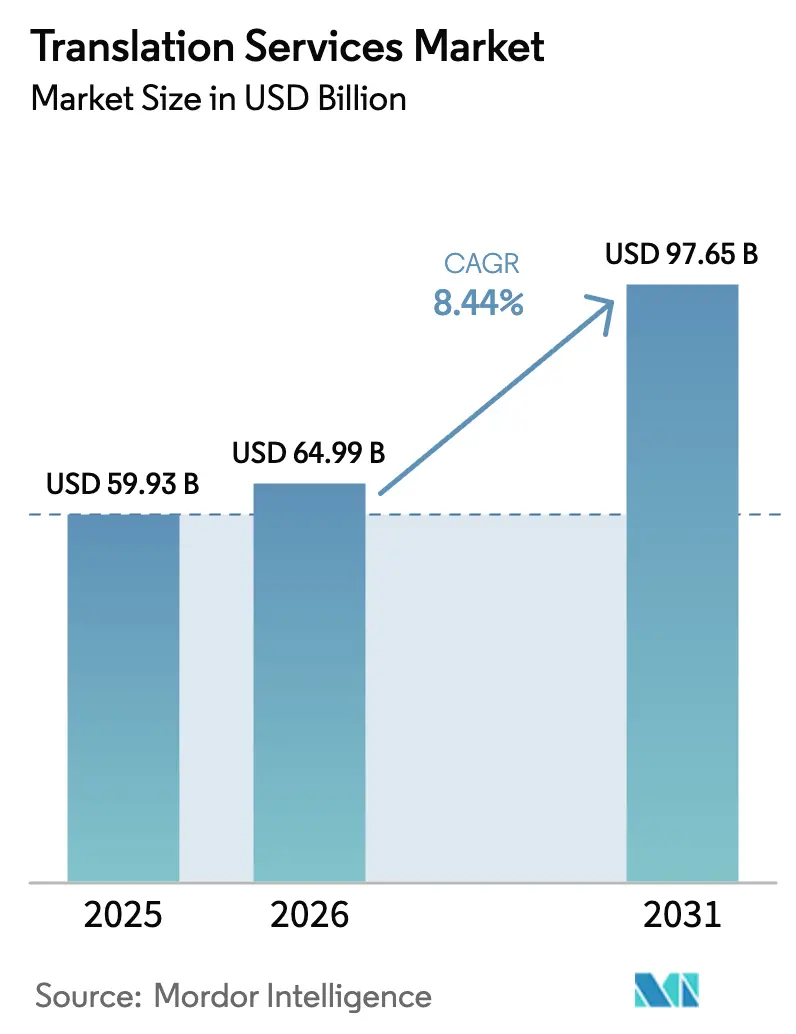
The demand for translation services continues to grow worldwide as globalization, digital transformation, and international trade accelerate. Businesses, governments, and individuals increasingly rely on professional translation to communicate effectively across languages and cultures.
1. Globalization and Cross-Border Communication
Globalization has made multilingual communication a daily necessity. Companies are no longer limited to domestic markets; they operate, sell, and collaborate across multiple countries.
As a result, translation services are essential for:
- International business communication
- Trade agreements and contracts
- Multinational collaboration
- Regulatory compliance across jurisdictions
English remains the dominant global business language, but demand for other major languages such as Chinese, Spanish, French, Japanese, and Arabic continues to rise.
2. International Trade and Business Expansion
Global trade expansion is one of the strongest drivers of translation demand. Companies entering new markets must adapt their content to local languages and cultures.
Common translation needs in business include:
- Legal contracts and agreements
- Financial reports and documentation
- Product manuals and technical guides
- Corporate websites and marketing materials
Accurate translation is critical to avoid misunderstandings, legal risks, and reputational damage.
3. Digital Transformation and Content Localization
The rapid growth of digital platforms has significantly increased the need for translation and localization services. Businesses must adapt their digital content for global audiences, including:
- Websites and mobile applications
- E-commerce product listings
- Social media campaigns
- Video and multimedia content
Localization goes beyond translation by ensuring that content is culturally appropriate and resonates with local users.
4. Growth of E-commerce and Technology
E-commerce platforms operate in multiple languages and markets simultaneously. To compete effectively, companies must translate:
- Product descriptions
- Customer support content
- User interfaces
- Advertising and promotional materials
Similarly, the technology sector requires translation for software interfaces, user documentation, and IT systems.
5. Education, Immigration, and Legal Services
Translation services are also widely used in personal and administrative contexts, including:
- Academic transcripts and diplomas
- Immigration and visa applications
- Birth, marriage, and legal certificates
- Court documents and notarized records
As global mobility increases, this segment of demand continues to expand steadily.
6. Healthcare and Scientific Research
The healthcare and pharmaceutical industries require highly specialized translation services for:
- Clinical trial documentation
- Medical research papers
- Patient records and instructions
- Regulatory submissions
Accuracy is essential, as errors in this field can have serious consequences.
7. Impact of Artificial Intelligence
Artificial intelligence and machine translation tools have transformed the industry. While AI can handle basic and repetitive content, professional human translation remains essential for:
- Legal and medical documents
- Technical and scientific materials
- Marketing and brand communication
- Quality assurance and post-editing
Rather than replacing translators, AI has shifted demand toward higher-value, specialized services.
8. Market Outlook
The outlook for translation services remains strong. Key factors supporting growth include:
- Continued globalization of business
- Expansion of digital commerce
- Increased international mobility
- Rising demand for localized content
At the same time, the industry is becoming more competitive, requiring providers to focus on specialization, quality, and technology integration.
Conclusion
The current demand for translation services reflects a world that is more connected than ever. As businesses and individuals engage across borders, the need for accurate, culturally aware, and professional translation continues to grow. Companies that combine linguistic expertise with industry knowledge are best positioned to succeed in this evolving global market.
STAY IN THE LOOP
Subscribe to our free newsletter.
Leave A Comment
French is one of the world’s major international languages, widely used in business, diplomacy, education, tourism, and international cooperation. As communication between French-speaking countries and the rest of the world continues to create professional opportunities, skilled French interpreters play an important role in helping people communicate across language barriers. If you are passionate about languages

French and English are two widely used languages in international business, diplomacy, education, tourism, and global communication. As organizations continue to work across linguistic and cultural boundaries, the ability to communicate accurately between these languages remains valuable. For people who enjoy languages and cross-cultural communication, becoming a French and English interpreter can be a rewarding

English is one of the most widely used languages for international communication. As businesses, organizations, and individuals increasingly work across borders, the demand for professional English interpreters continues to grow. If you have strong English skills, enjoy communicating with people, and are interested in working in a multicultural environment, becoming an English interpreter can be

If you want to become a French interpreter, you’ll need more than just strong French—you need to develop professional interpreting skills, subject knowledge, and experience. A practical path Reach a high level in French Aim for C1–C2 French, especially listening and speaking. If you’re in Vietnam, the DELF/DALF can provide formal evidence of your French