
by admin
Share
by admin
Share
The translation process from French to English typically involves the following steps:
- Read and analyze the source text
- Identify the topic, purpose, and target audience.
- Determine the writing style (formal, academic, literary, journalistic, etc.).
- Note unfamiliar vocabulary, idioms, and complex sentence structures.
- Research context and terminology
- Consult dictionaries, glossaries, and reference materials.
- Understand the meaning of words and expressions in context rather than translating them literally.
- Produce a first draft
- Translate the text into English while preserving the original meaning.
- Focus on conveying ideas clearly and naturally in English.
- Revise and compare
- Compare the English translation with the French source text.
- Check for:
- Accuracy of meaning.
- Completeness (no omissions or unnecessary additions).
- Consistency in terminology, tone, and style.
- Edit and polish
- Improve readability, fluency, and sentence structure.
- Correct grammar, spelling, punctuation, and word choice.
- Ensure the tone is appropriate for the intended audience.
- Final proofreading
- Read the translated text as a standalone English document.
- Make final revisions to ensure clarity, coherence, and natural expression.
Tips for translating French to English
- Translate meaning, not individual words.
- Be aware of differences in:
- Sentence structure and word order.
- Verb tenses and moods.
- Idioms, cultural references, and fixed expressions, which often require equivalent English expressions rather than literal translations.
- For specialized texts (e.g., legal, medical, or technical), use accurate, field-specific terminology and maintain consistency throughout the translation.
This process helps produce translations that are accurate, fluent, and appropriate for English-speaking readers.
STAY IN THE LOOP
Subscribe to our free newsletter.
Leave A Comment

Choosing whether to learn Chinese or French depends entirely on your personal goals, career ambitions, and lifestyle preferences. Both languages offer incredible value, but they open doors to entirely different economic spheres, cultures, and career paths. Here is a side-by-side comparison to help you decide which language aligns best with your future: 1. Chinese: The

Steps to Become a Medical Interpreter Become highly proficient in two languages Develop strong listening, speaking, reading, and vocabulary skills in both languages. Medical interpreting requires more than conversational fluency—you need to understand medical concepts and communicate them accurately. Learn basic medical terminology Study: Anatomy and physiology Common diseases and symptoms Medications Medical tests and

Choosing between French and Spanish depends heavily on your geographic location, professional goals, and personal interests. Spanish generally offers wider utility globally and a faster learning curve for English speakers, while French provides unique advantages in international diplomacy, specific career sectors, and cultural reach. Spanish Advantages Global Reach: Spoken by over 550 million people, making
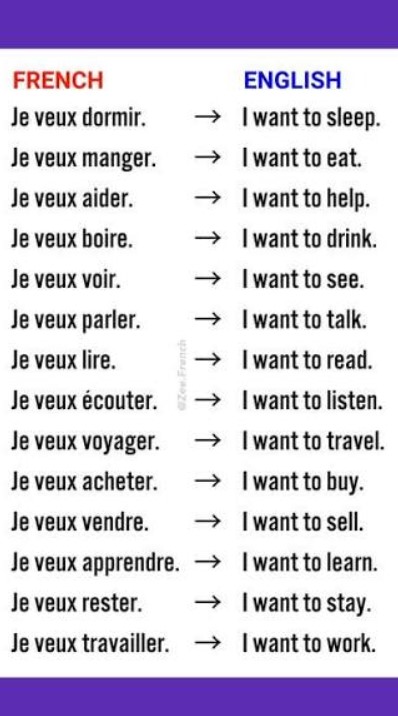
Assuming you are deciding from a global and career-oriented perspective, you should almost certainly learn English first if you are not already fluent in it. English is the undisputed global lingua franca, while French is a major regional and international language with immense cultural and diplomatic value. Here is a breakdown to help you decide