by admin
Share
by admin
Share
Are you passionate about languages and interested in building a career in translation? Becoming a French-English translator can be an exciting and rewarding professional path. With French widely spoken across Europe, Africa, North America, and other regions, the demand for accurate French-English translation continues to create opportunities in international business, education, tourism, law, and many other industries.
However, becoming a professional translator requires more than simply knowing two languages. You need strong linguistic skills, cultural awareness, specialized knowledge, and practical translation experience.
Whether you are a language student, a bilingual professional, or someone considering a career change, this guide explains how to become a French-English translator and develop a successful career in the translation industry.
1. Develop Excellent French and English Language Skills
The first step toward becoming a French-English translator is achieving a high level of proficiency in both languages.
You should have a thorough understanding of:
-
- Grammar and sentence structure.
-
- Vocabulary and specialized terminology.
-
- Spelling and punctuation.
-
- Idioms and cultural expressions.
-
- Formal and informal language.
-
- Regional language variations.
Although translators work with two languages, they usually need particularly strong writing skills in their target language.
For example, consider the following French sentence:
French: Je vous remercie pour votre confiance et votre collaboration.
English: Thank you for your trust and cooperation.
A word-for-word translation may sound unnatural. A professional translator understands the intended meaning and chooses an English expression that communicates the message naturally.
To improve your language proficiency, consider reading French and English newspapers, books, academic publications, and industry-specific materials. Listening to podcasts, watching films, and communicating with native speakers can also help develop your language skills.
2. Obtain a Relevant Degree or Professional Qualification
Although a university degree is not always mandatory for every translation position, formal education can provide a strong foundation for your career.
Some relevant academic programs include:
-
- French Language and Literature.
-
- English Language and Literature.
-
- Translation and Interpretation.
-
- Applied Linguistics.
-
- International Relations.
-
- Comparative Literature.
A degree in translation or linguistics can help you understand translation theories, linguistic structures, cultural differences, and professional translation techniques.
You may also consider professional translation courses and certifications offered by recognized educational institutions or industry organizations.
These qualifications can strengthen your professional profile and demonstrate your commitment to translation quality.
3. Learn Different Types of Translation
French-English translators can specialize in various types of translation depending on their interests and professional goals.
Understanding these specializations will help you identify the most suitable career direction.
3.1. General Translation
General translation covers everyday documents, emails, letters, articles, and other non-specialized content.
This is often a good starting point for beginners who want to develop their translation skills and gain practical experience.
3.2. Legal Translation
Legal translation involves converting legal documents between French and English while preserving their exact meaning and legal implications.
Examples include:
-
- Contracts and agreements.
-
- Court documents.
-
- Business registration certificates.
-
- Powers of attorney.
-
- Legal opinions.
-
- Immigration documents.
Legal translators need a strong understanding of legal terminology and the legal systems of the relevant countries.
3.3. Technical Translation
Technical translation focuses on specialized materials related to engineering, manufacturing, information technology, and other technical industries.
Examples include product manuals, technical specifications, engineering reports, and installation instructions.
Accuracy and consistency are particularly important in this field.
3.4. Medical Translation
Medical translation requires specialized knowledge of healthcare terminology and medical communication.
Common documents include medical reports, clinical research papers, pharmaceutical information, and patient records.
Because translation errors may have serious consequences, this specialization requires particular attention to accuracy and professional competence.
3.5. Business and Financial Translation
Businesses operating internationally often need French-English translation for:
-
- Financial statements.
-
- Annual reports.
-
- Marketing materials.
-
- Business proposals.
-
- Commercial contracts.
-
- Corporate presentations.
Translators working in this area should understand business terminology, financial concepts, and international commercial practices.
4. Develop Cultural Awareness
Language and culture are closely connected. A professional French-English translator must understand the cultural context behind the words.
French is spoken in different countries and regions, including France, Belgium, Switzerland, Canada, and several African countries. Each region may have its own vocabulary, expressions, and communication conventions.
For example, some French expressions commonly used in France may differ from those used in Quebec.
Similarly, English used in the United Kingdom may differ from American, Canadian, or Australian English.
Translators should therefore consider:
-
- The target audience.
-
- Regional language preferences.
-
- Cultural references and idioms.
-
- Business communication conventions.
-
- Local spelling and terminology.
Cultural awareness helps translators produce content that feels natural and relevant to the intended audience.
5. Gain Practical Translation Experience
Academic knowledge alone is not enough to become a successful translator. Practical experience is essential for developing confidence, accuracy, and efficiency.
Here are several ways to gain experience:
Start with personal translation projects.
Choose short articles, business emails, or general documents and translate them from French into English. Compare your work with reliable published translations to identify areas for improvement.
Volunteer as a translator.
Nonprofit organizations, educational institutions, and community groups sometimes need language assistance. Volunteering can provide valuable practical experience.
Apply for internships.
Translation agencies and international companies may offer internships for language students and recent graduates.
Work as a freelance translator.
Freelance projects allow you to work with different clients and gain exposure to multiple industries.
Build a professional portfolio.
Keep samples of your best work, including general, business, legal, and technical translations where appropriate. Always obtain permission before sharing confidential client materials.
A strong portfolio can help potential employers and clients evaluate your translation abilities.
6. Master Professional Translation Tools
Modern translators increasingly rely on technology to improve productivity and maintain consistency.
Learning to use professional translation software can give you a competitive advantage.
Some popular tools include:
-
- SDL Trados Studio: A computer-assisted translation (CAT) tool widely used by professional translators.
-
- memoQ: A translation management and CAT tool that supports terminology management and translation memories.
-
- Phrase: A platform for translation management and localization workflows.
-
- Wordfast: CAT software designed to help translators manage multilingual projects.
-
- Antidote: A writing assistance tool that supports French grammar, spelling, and style checking.
You should also become familiar with terminology databases, bilingual dictionaries, and quality assurance tools.
Remember that computer-assisted translation tools support human translators; they do not replace the linguistic judgment and cultural understanding required for professional translation.
7. Understand the Difference Between Translation and Interpretation
Many people confuse translation with interpretation because both involve transferring information between languages. However, they are two different professional services.
-
- Translation focuses on written content, such as contracts, reports, certificates, websites, and technical documents.
-
- Interpretation focuses on spoken communication, such as meetings, conferences, interviews, and business negotiations.
For example, a French-English translator may translate a commercial agreement from French into English for a company.
However, if representatives of the same company attend a business meeting with French-speaking partners, they may need a professional interpreter to facilitate real-time communication.
Understanding both services can help language professionals identify additional career opportunities and collaborate more effectively with translation agencies.
8. Find Employment or Start a Freelance Translation Career
Once you have developed your skills and gained practical experience, you can explore different career opportunities.
Work for a Translation Company
Working for an established translation agency can provide valuable experience with professional workflows, quality control procedures, client communication, and specialized translation projects.
For example, a Translation Company in Vietnam such as TDN Translation may work with international clients who require multilingual document translation, including French-English language services.
Collaborating with a professional translation company can help translators understand industry standards and develop experience with real-world projects.
Become a Freelance Translator
Freelancing offers flexibility and allows you to work with clients from different countries.
You can find opportunities through:
-
- Freelance platforms.
-
- Professional translation associations.
-
- LinkedIn and professional networks.
-
- Translation agency recruitment programs.
-
- Direct relationships with international businesses.
When starting as a freelancer, focus on building a reliable reputation, delivering high-quality work, and maintaining clear communication with clients.
Work as an In-House Translator
Large corporations, international organizations, government agencies, and multinational businesses may employ in-house translators to manage their multilingual communication needs.
This career option can provide greater employment stability and opportunities to specialize in a particular industry.
9. Build a Strong Professional Reputation
A successful translator needs more than excellent language skills. Professionalism and reliability are equally important.
To establish a strong reputation, you should:
-
- Meet agreed deadlines.
-
- Maintain consistent translation quality.
-
- Respect client confidentiality.
-
- Communicate clearly and professionally.
-
- Research unfamiliar terminology carefully.
-
- Accept feedback and continuously improve.
-
- Avoid accepting assignments beyond your professional expertise.
You should also consider joining professional translation associations and attending industry events to expand your network.
Building relationships with translation agencies, businesses, and other language professionals can lead to long-term collaboration opportunities.
10. Keep Learning and Following Industry Trends
The translation industry continues to evolve with advances in artificial intelligence, machine translation, localization technology, and multilingual content management.
To remain competitive, French-English translators should continuously update their knowledge and skills.
Important areas to explore include:
-
- AI-assisted translation workflows.
-
- Translation quality assurance.
-
- Website and software localization.
-
- Terminology management.
-
- Subtitling and multimedia translation.
-
- Data privacy and information security.
Rather than viewing technology as a replacement for human translators, consider learning how to use it responsibly to improve efficiency while maintaining linguistic accuracy.
Frequently Asked Questions About Becoming a French-English Translator
Do I need a degree to become a French-English translator?
A degree in translation, French, English, or linguistics can be beneficial, but requirements vary depending on the employer, country, and type of translation work. Some clients prioritize demonstrated language proficiency, professional experience, and subject-matter expertise.
How long does it take to become a professional French-English translator?
The timeline depends on your starting language proficiency, education, specialization, and practical experience. Developing professional-level skills usually requires consistent study and extensive translation practice.
Can I become a French-English translator without being a native speaker?
Yes. Many successful translators are non-native speakers. However, you need excellent command of both languages, particularly the language into which you translate, along with strong cultural and subject-specific knowledge.
Is French-English translation a good career?
Yes. French and English are important international languages used in business, education, diplomacy, tourism, and international organizations. Skilled translators can explore opportunities in freelance work, translation agencies, and multinational companies.
What is the difference between a translator and an interpreter?
A translator works primarily with written content, while an interpreter facilitates spoken communication between people who speak different languages. Both professions require excellent language skills but involve different techniques and working environments.
Conclusion
Becoming a French-English translator is a journey that requires dedication, continuous learning, and practical experience. From mastering both languages and obtaining relevant qualifications to developing specialized knowledge and learning professional translation tools, every step contributes to building a successful career.
As international business and cross-border communication continue to expand, qualified translators play an increasingly important role in connecting people and organizations around the world.
If you are looking for professional language support, working with an experienced Translation Company in Vietnam can be a valuable solution for businesses and individuals handling multilingual documents.
TDN Translation aims to support international communication through professional translation solutions, helping clients overcome language barriers and communicate effectively across different markets.
STAY IN THE LOOP
Subscribe to our free newsletter.
Leave A Comment
In today’s interconnected world, effective communication across languages is more important than ever. Businesses expand internationally, people travel across borders, and organizations increasingly work with clients and partners from different cultural backgrounds. As a result, professional interpreters play an essential role in helping people understand one another. If you are fluent in two or more

As international business, travel, healthcare, and cross-cultural communication continue to expand, the demand for qualified language professionals is growing. Vietnamese interpreters play an important role in helping people communicate across language barriers, whether in business meetings, medical appointments, legal consultations, or international conferences. Becoming a professional Vietnamese interpreter requires more than fluency in Vietnamese and
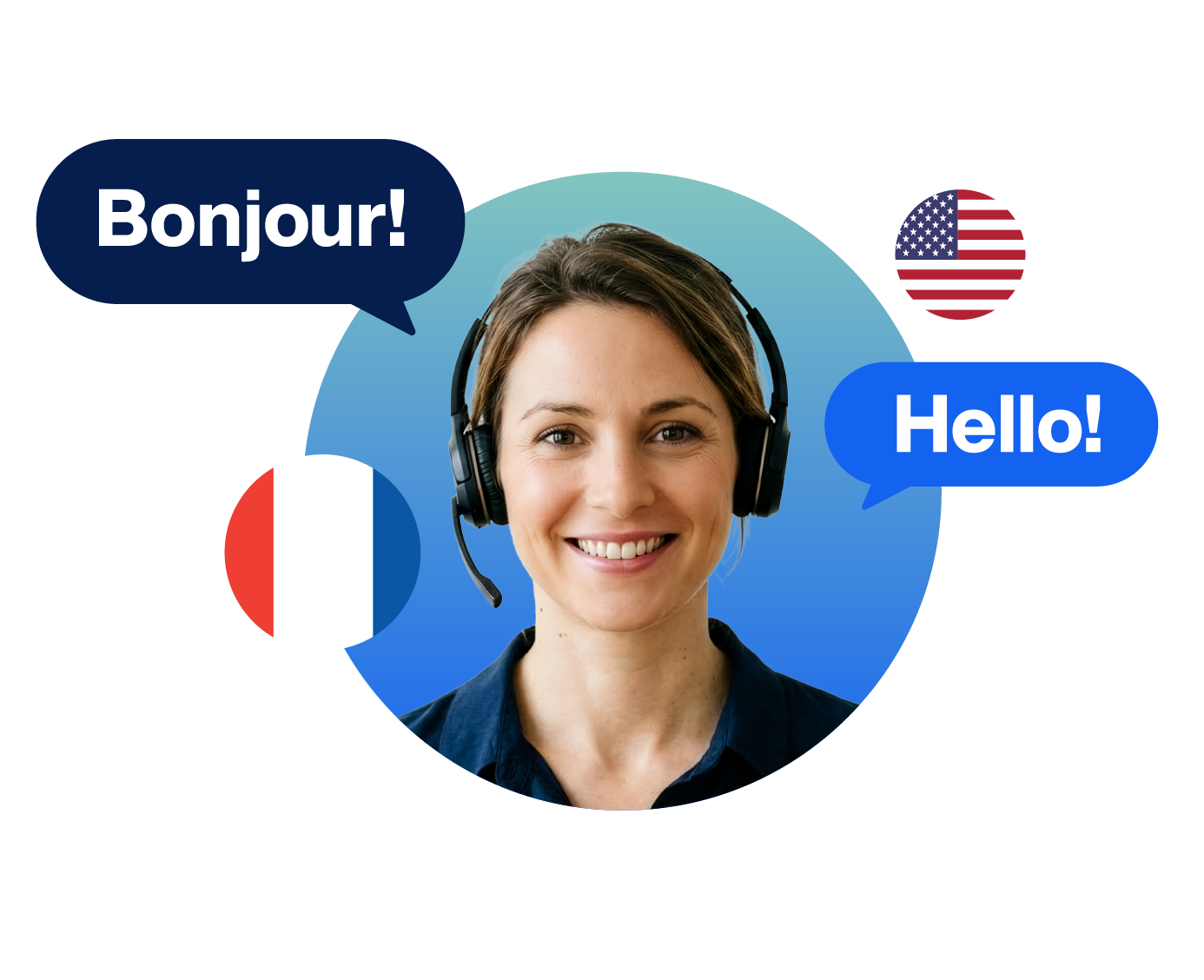
French is one of the world’s major international languages, widely used in business, diplomacy, education, tourism, and international cooperation. As communication between French-speaking countries and the rest of the world continues to create professional opportunities, skilled French interpreters play an important role in helping people communicate across language barriers. If you are passionate about languages
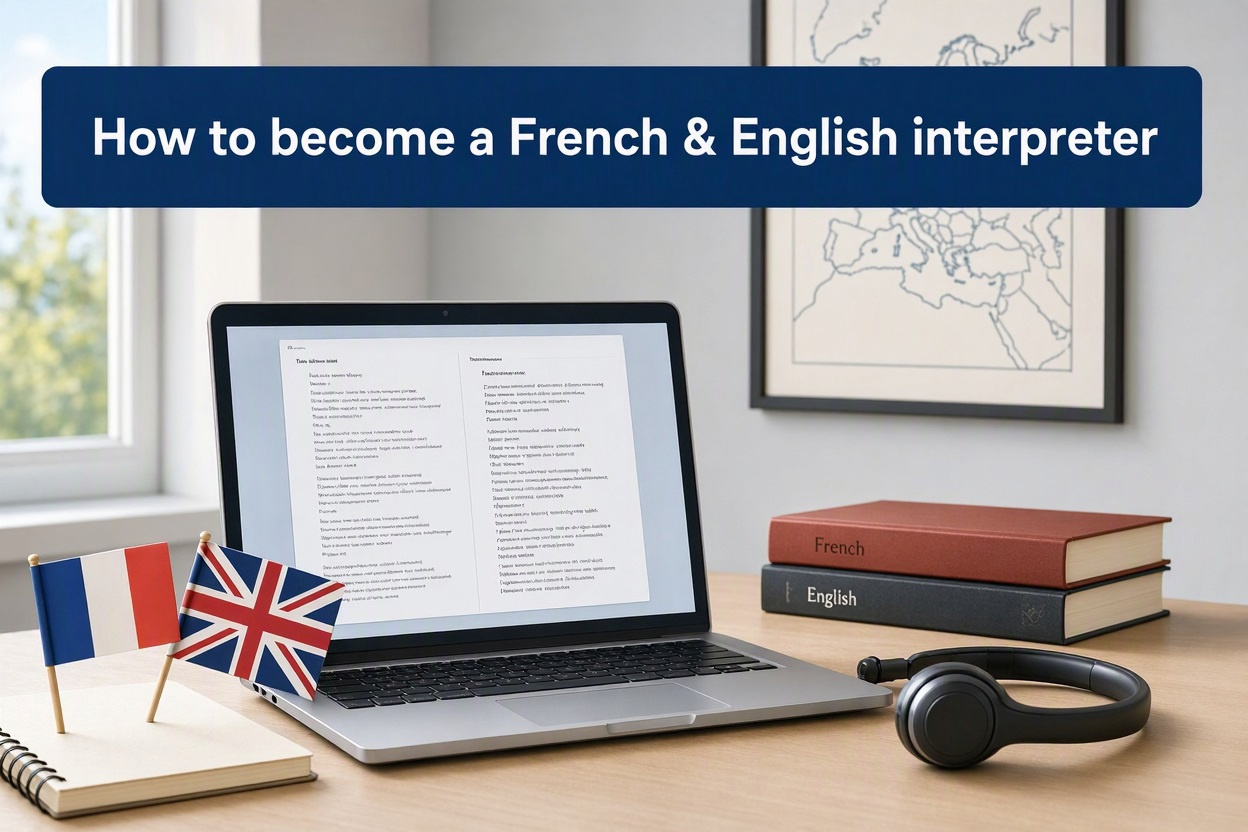
French and English are two widely used languages in international business, diplomacy, education, tourism, and global communication. As organizations continue to work across linguistic and cultural boundaries, the ability to communicate accurately between these languages remains valuable. For people who enjoy languages and cross-cultural communication, becoming a French and English interpreter can be a rewarding