
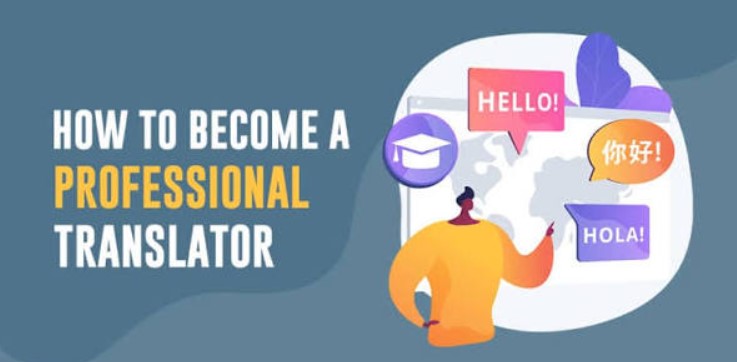
Becoming a technical translator requires a unique combination of high-level linguistic fluency, deep comprehension of engineering or industrial domains, and meticulous attention to detail. Because technical translations involve machinery, software, patents, and safety protocols where errors can lead to equipment failure or legal liability, it is one of the most lucrative and respected branches of
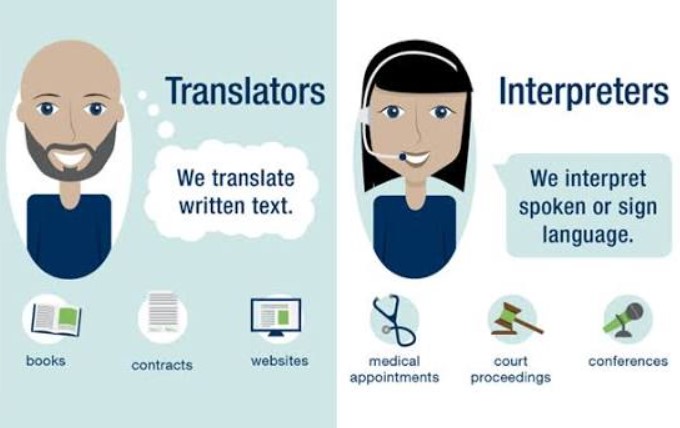
If you’re deciding between translation (written language) and interpretation (spoken language), the better choice depends on your strengths, personality, and career goals. Here’s a comparison: Translator Interpreter Works with written texts Works with spoken conversations Has time to research and revise Must think and respond instantly Requires excellent writing skills Requires excellent listening and speaking
When translating Vietnamese to Korean, following a structured process can improve both accuracy and naturalness. Read the entire Vietnamese text. Understand the overall meaning, context, and purpose before translating. Identify key vocabulary and expressions. Note any unfamiliar words, idioms, slang, or culture-specific references. Analyze the grammar. Identify the subject, verb, object, time expressions, and implied
When translating Korean to Vietnamese, a systematic approach helps ensure the translation is both accurate and natural. Read the entire Korean text. Understand the overall context, topic, and purpose before translating. Identify key vocabulary and expressions. Look up unfamiliar words and recognize idioms, honorifics, or culture-specific expressions. Analyze the sentence structure. Identify the subject, object,
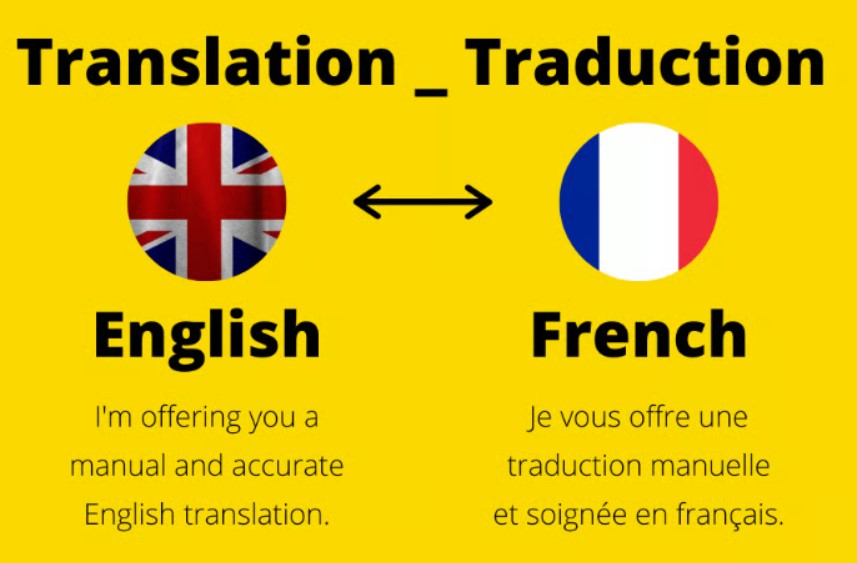
Here are the basic steps for translating English to French: Read the entire text to understand the meaning, context, and purpose. Identify unfamiliar words and expressions and look up their meanings if needed. Analyze the sentence structure: Subject Verb Object Modifiers (adjectives, adverbs, prepositional phrases, etc.) Translate the meaning rather than each word, using natural
The translation process from French to English typically involves the following steps: Read and analyze the source text Identify the topic, purpose, and target audience. Determine the writing style (formal, academic, literary, journalistic, etc.). Note unfamiliar vocabulary, idioms, and complex sentence structures. Research context and terminology Consult dictionaries, glossaries, and reference materials. Understand the meaning
19th
19th
Aug, 2026
Becoming a technical translator requires a unique combination of high-level linguistic fluency, deep comprehension of engineering or industrial domains, and meticulous attention to detail. Because technical translations involve machinery, software, patents, and safety protocols where errors can lead to equipment failure or legal liability, it is one of the most lucrative and respected branches of
2nd
2nd
Aug, 2026
If you’re deciding between translation (written language) and interpretation (spoken language), the better choice depends on your strengths, personality, and career goals. Here’s a comparison: Translator Interpreter Works with written texts Works with spoken conversations Has time to research and revise Must think and respond instantly Requires excellent writing skills Requires excellent listening and speaking
26th
26th
Jul, 2026
When translating Vietnamese to Korean, following a structured process can improve both accuracy and naturalness. Read the entire Vietnamese text. Understand the overall meaning, context, and purpose before translating. Identify key vocabulary and expressions. Note any unfamiliar words, idioms, slang, or culture-specific references. Analyze the grammar. Identify the subject, verb, object, time expressions, and implied
20th
20th
Jul, 2026
When translating Korean to Vietnamese, a systematic approach helps ensure the translation is both accurate and natural. Read the entire Korean text. Understand the overall context, topic, and purpose before translating. Identify key vocabulary and expressions. Look up unfamiliar words and recognize idioms, honorifics, or culture-specific expressions. Analyze the sentence structure. Identify the subject, object,