
by admin
Share
by admin
Share
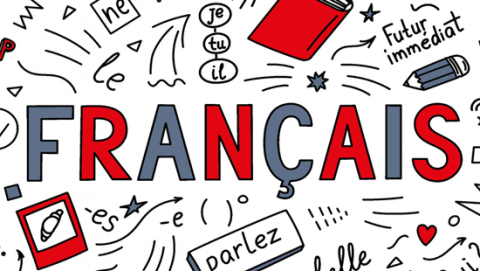
France is linguistically diverse. While French is the official language, several regional and minority languages are spoken across the country.
🇫🇷 Official Language
-
French – The sole official language of France, used in government, education, media, and public life.
🗣️ Regional & Minority Languages
Celtic
-
Breton – Spoken in Brittany.
Germanic
-
Alsatian – Spoken in Alsace.
-
Francique (Franconian dialects) – Spoken in Moselle.
-
Flemish – Spoken in French Flanders.
Romance (other than standard French)
-
Occitan (Langue d’oc) – Spoken in southern France, especially Occitania.
-
Catalan – Spoken in Roussillon.
-
Corsican – Spoken on the island of Corsica.
-
Gallo – Spoken in eastern Brittany.
-
Arpitan (Franco-Provençal) – Spoken in parts of eastern France near Switzerland and Italy.
Basque
-
Basque – Spoken in the French Basque Country in southwestern France near Spain.
🌍 Non-European & Overseas Languages
In France’s overseas regions and territories:
-
Creole languages (e.g., Antillean Creole in the Caribbean)
-
Kanak languages in New Caledonia.
-
Polynesian languages in French Polynesia.
📌 Immigrant Languages
Due to immigration, languages such as:
-
Arabic
-
Portuguese
-
Berber (Amazigh)
-
Turkish
-
Chinese (various dialects)
are widely spoken in urban areas, especially in cities like Paris and Marseille.
If you’d like, I can also provide:
-
A map-style breakdown
-
The most spoken languages by number of speakers
-
Or the history of language policy in France
STAY IN THE LOOP
Subscribe to our free newsletter.
Leave A Comment

If you want to become a French interpreter, you’ll need more than just strong French—you need to develop professional interpreting skills, subject knowledge, and experience. A practical path Reach a high level in French Aim for C1–C2 French, especially listening and speaking. If you’re in Vietnam, the DELF/DALF can provide formal evidence of your French
There’s no universal “best” CAT tool; the right choice depends on whether you’re a freelancer, LSP, or enterprise localization team. CAT tool Particularly suited to Key strengths Trados Studio Professional translators, LSPs, enterprises Mature TM and terminology management, broad ecosystem, extensive integrations memoQ Freelancers and LSP teams Strong project collaboration, translation resources, and interoperability Phrase

Becoming a professional Chinese interpreter requires more than simply speaking Chinese. You need strong language skills, excellent listening and speaking abilities, cultural awareness, and the ability to communicate information accurately and quickly. Here is a practical step-by-step path. 1. Master Chinese Start by developing a strong command of Mandarin Chinese. Focus on: Pronunciation and tones Listening comprehension Speaking fluency Vocabulary and grammar Formal and business Chinese Common idioms
Choosing whether to learn Chinese or French depends entirely on your personal goals, career ambitions, and lifestyle preferences. Both languages offer incredible value, but they open doors to entirely different economic spheres, cultures, and career paths. Here is a side-by-side comparison to help you decide which language aligns best with your future: 1. Chinese: The