
by admin
Share
by admin
Share

Localizing a website isn’t just translating words—it’s making the site feel native to users in each target market. Here’s a practical, step-by-step guide you can actually follow 👇
1️⃣ Decide what and where to localize
Start with strategy, not tools.
-
Target markets: countries and languages (e.g., Spanish ≠ only Spain)
-
Business goals: traffic, sales, support, branding?
-
Depth: full site vs. key pages (homepage, pricing, checkout, help)
👉 Pro tip: Prioritize markets with existing traffic or demand.
2️⃣ Prepare your website for localization (very important)
Before translating anything:
🔧 Make your site “localization-ready”
-
Separate text from code (no hard-coded strings)
-
Use UTF-8 encoding (supports all languages)
-
Avoid text in images (or plan to recreate them)
-
Allow flexible layouts (some languages are longer)
🌐 Plan your URL structure
Choose one (and stick to it):
-
example.com/fr/(recommended) -
fr.example.com -
example.fr(harder to manage)
3️⃣ Translate & adapt content
✍️ Translation ≠ localization
Localize:
-
Currency (€, ₫, ¥)
-
Date/time formats
-
Units (km vs miles)
-
Tone & formality
-
Cultural references, images, colors
Who should translate?
-
❌ Machine-only (bad for trust)
-
⚠️ Machine + human review (OK for scale)
-
✅ Native professional translators (best)
4️⃣ Handle languages correctly (technical SEO)
🔍 International SEO essentials
-
Use
hreflangtags -
Translate meta titles & descriptions
-
Localize keywords (don’t just translate them)
-
Create local backlinks where possible
Example:
5️⃣ Localize UX & functionality
This part is often missed:
-
Payment methods (local cards, wallets)
-
Contact info (local phone formats)
-
Legal pages (GDPR, local laws)
-
Forms (name order, address formats)
-
Right-to-left support if needed (Arabic, Hebrew)
6️⃣ Choose localization tools
Depending on size:
🧰 Small sites
-
Weglot
-
TranslatePress
-
WPML (WordPress)
🧰 Larger / scalable sites
-
Lokalise
-
Phrase
-
Smartling
-
Crowdin
These help manage translations, workflows, and updates.
7️⃣ Test like a local
Before launch:
-
Review by native speakers
-
Check mobile layouts
-
Test checkout & forms
-
Validate SEO
After launch:
-
Monitor bounce rate per locale
-
Track conversion differences
-
Gather local user feedback
8️⃣ Maintain & update
Localization is ongoing:
-
Sync new content automatically
-
Review outdated translations
-
Update cultural references regularly
Common mistakes to avoid 🚫
-
Translating without SEO research
-
Using flags instead of language names
-
One “Spanish” for all countries
-
Forgetting legal/compliance differences
If you want, tell me:
-
Your website type (blog, SaaS, e-commerce)
-
Target countries/languages
-
Platform (WordPress, custom, Shopify)
I can give you a custom localization plan or tool stack 🎯
STAY IN THE LOOP
Subscribe to our free newsletter.
Leave A Comment
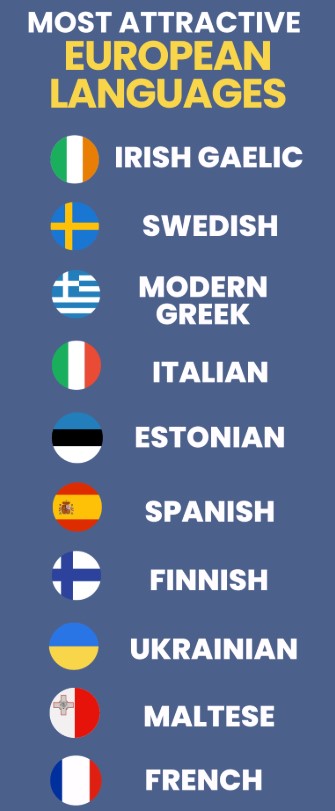
“Most beautiful” is subjective—but globally, some languages are widely admired for their sound, rhythm, and elegance. Here’s a popular Top 10, with why people find each one beautiful: 🌍 🎼 Top 10 Most Beautiful Languages 🥇 1. Italian language 👉 Often called the language of music Smooth, flowing vowels Words end in vowels → very
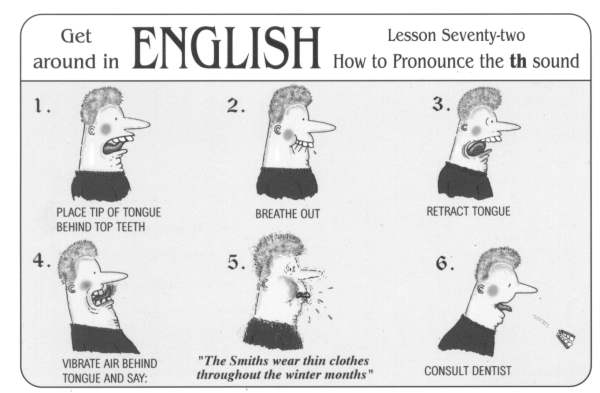
English is often considered one of the hardest languages to pronounce for learners. This difficulty mainly comes from the way spelling and pronunciation do not match consistently. Here are the main reasons: 1. Spelling and pronunciation are very inconsistent In English, the same letter combination can be pronounced in many different ways. Example with “ough”:
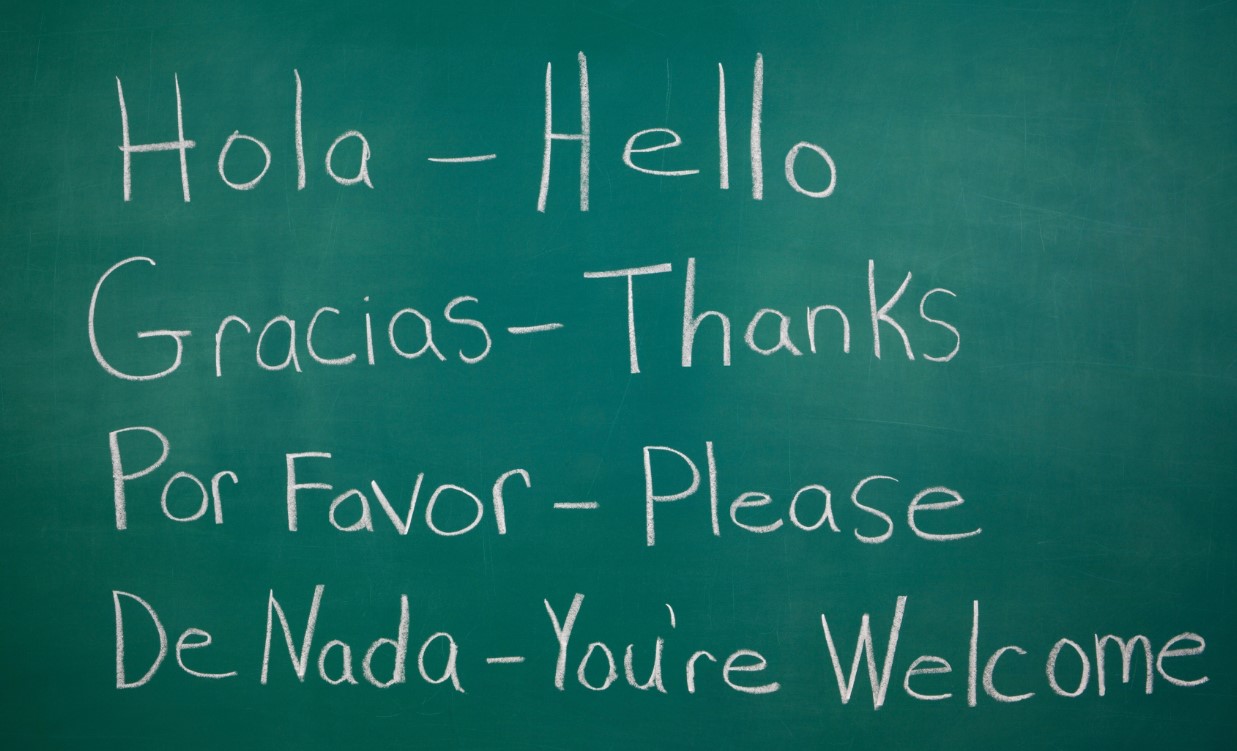
Whether English or Spanish is harder to learn depends mostly on your native language and learning goals, but in general many learners find Spanish slightly easier. Here’s a clear comparison: 1. Pronunciation Spanish: Easier Words are usually pronounced exactly as they are written. Only about 5 vowel sounds. English: Harder Many irregular pronunciations. Example: through,

Translating software documentation (English → Vietnamese) is challenging because it mixes technical terminology, UI language, and instructions. Many translators—even experienced ones—make recurring mistakes. Here are the most common ones and how to avoid them. 1️⃣ Translating technical terms too literally Many IT terms should not be translated word-for-word. Example Incorrect Correct Giao diện lập trình