
by admin
Share
by admin
Share
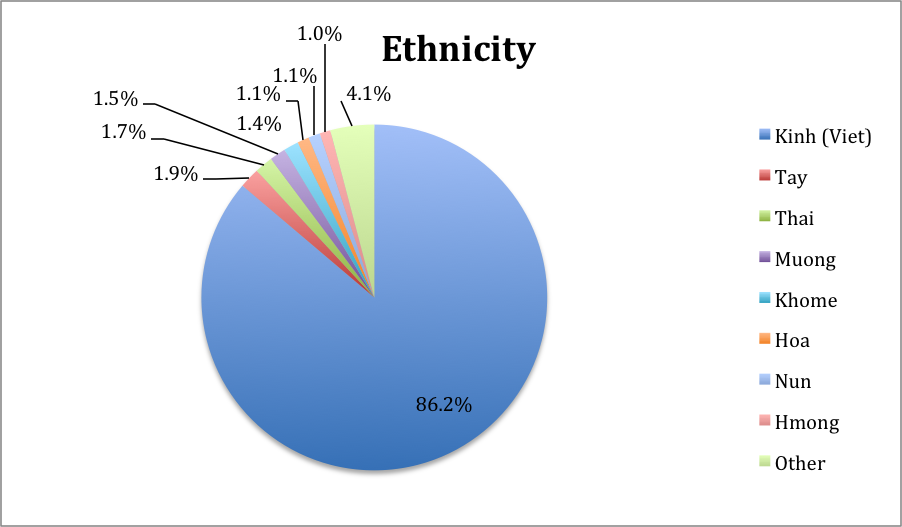
Languages of Vietnam
Vietnam is one of Southeast Asia’s most linguistically diverse countries. It recognizes 54 ethnic groups, many with their own languages.
1️⃣ Official Language
Vietnamese (Tiếng Việt)
-
Official national language
-
Spoken by ~85–90% of the population
-
Belongs to the Austroasiatic language family
-
Written in the Latin-based Quốc Ngữ script
Vietnamese developed under strong historical influence from China (especially vocabulary) and later from France (modern script and loanwords).
2️⃣ Major Minority Language Families
Vietnam’s minority languages fall into several major language families:
🟢 Austroasiatic (besides Vietnamese)
-
Khmer (Khmer Krom) – related to the official language of Cambodia
-
Mường
-
Bahnar
-
Sedang
🔵 Tai–Kadai
-
Tày
-
Thái
-
Nùng
Mostly spoken in northern mountainous regions.
🟣 Hmong–Mien
-
Hmong
-
Dao (Yao)
Found mainly in highland areas of northern Vietnam.
🟠 Austronesian
-
Cham
-
Jarai
-
Ede
Cham is linked historically to the ancient Champa civilization.
🔴 Sino-Tibetan
-
Hoa (ethnic Chinese communities)
Includes dialects such as Cantonese, Teochew, and Hakka.
3️⃣ Foreign Languages Widely Used
-
English – most popular foreign language today
-
French – legacy of colonial period
-
Chinese (Mandarin) – growing importance
-
Korean & Japanese – due to investment and trade
-
Russian – historically important
STAY IN THE LOOP
Subscribe to our free newsletter.
Leave A Comment

French is one of the world’s major international languages, widely used in business, diplomacy, education, tourism, and international cooperation. As communication between French-speaking countries and the rest of the world continues to create professional opportunities, skilled French interpreters play an important role in helping people communicate across language barriers. If you are passionate about languages

French and English are two widely used languages in international business, diplomacy, education, tourism, and global communication. As organizations continue to work across linguistic and cultural boundaries, the ability to communicate accurately between these languages remains valuable. For people who enjoy languages and cross-cultural communication, becoming a French and English interpreter can be a rewarding

English is one of the most widely used languages for international communication. As businesses, organizations, and individuals increasingly work across borders, the demand for professional English interpreters continues to grow. If you have strong English skills, enjoy communicating with people, and are interested in working in a multicultural environment, becoming an English interpreter can be

If you want to become a French interpreter, you’ll need more than just strong French—you need to develop professional interpreting skills, subject knowledge, and experience. A practical path Reach a high level in French Aim for C1–C2 French, especially listening and speaking. If you’re in Vietnam, the DELF/DALF can provide formal evidence of your French