
by admin
Share
by admin
Share
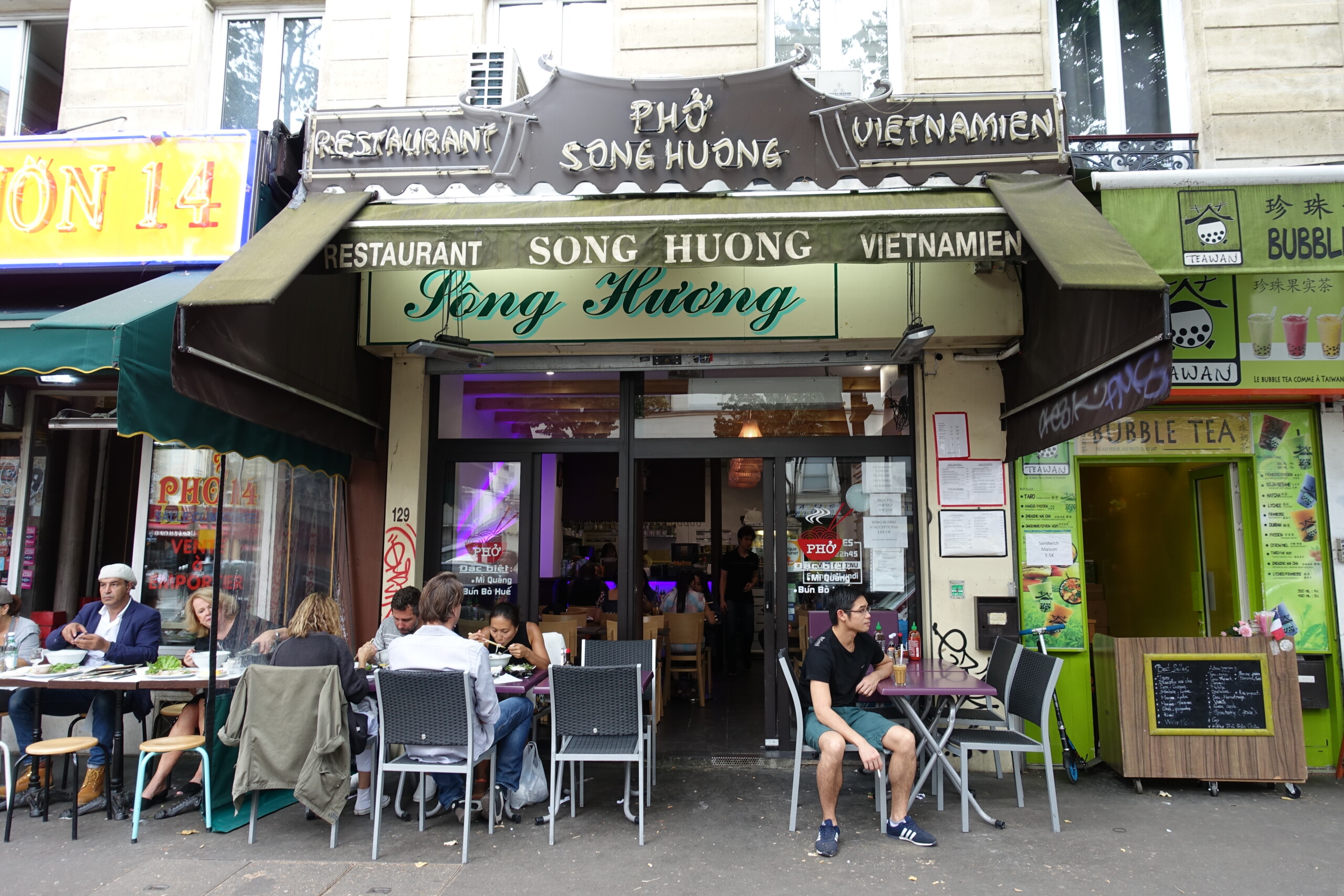
The Vietnamese community in France is one of the largest and oldest Asian communities in Europe. There are an estimated 300,000–400,000 people of Vietnamese origin living in France, with the biggest communities in Paris and surrounding regions. France and Vietnam also share deep historical, educational, and cultural ties dating back to the French colonial period in Indochina.
Where Vietnamese People Live in France
Paris & Île-de-France
The largest Vietnamese population is in and around Paris.
Popular areas include:
- 13th arrondissement (“Asian Quarter” / Quartier Asiatique)
- Ivry-sur-Seine
- Lognes
- Villejuif
You’ll find:
- Vietnamese restaurants
- Asian supermarkets
- Buddhist temples
- Vietnamese student associations
The 13th arrondissement is especially famous for its Southeast Asian community.
Quartier Asiatique
Other Cities with Vietnamese Communities
- Lyon
- Marseille
- Toulouse
- Strasbourg
- Grenoble
These cities attract Vietnamese students and professionals, especially in engineering, IT, and business.
Why Many Vietnamese Choose France
Education
France is popular among Vietnamese students because:
- Tuition at public universities is relatively affordable
- Many engineering and business schools are highly ranked
- Some programs are taught in English
- Scholarships are available through the French government
Organizations supporting students include:
Career Opportunities
Vietnamese professionals in France commonly work in:
- IT & software engineering
- Finance
- Hospitality
- Research & academia
- Healthcare
- Restaurants and small businesses
Tech and engineering jobs are especially strong in:
- Paris
- Toulouse
- Grenoble
Vietnamese Food & Culture in France
France has some of the best Vietnamese food outside Vietnam.
Popular dishes:
- Phở
- Bánh mì
- Bún bò Huế
- Gỏi cuốn
Well-known Vietnamese restaurants can be found throughout Paris, especially in the Asian Quarter.
Vietnamese cultural events include:
- Tết celebrations
- Mid-Autumn Festival
- Vietnamese film and cultural festivals
Student Life for Vietnamese in France
Many Vietnamese students say France offers:
- Better work-life balance than some countries
- Good public transportation
- Rich cultural life
- Easier travel across Europe
Common challenges:
- French bureaucracy
- Housing in Paris
- Learning French
- Finding internships without French fluency
Knowing French significantly improves job opportunities after graduation.
Vietnamese-French Historical Connection
France and Vietnam have a long shared history through:
- French Indochina period
- Educational exchange
- Migration after the Vietnam War
- Scientific and cultural cooperation
This historical connection is one reason Vietnamese communities integrated relatively strongly into French society compared with some newer immigrant groups.
Helpful Vietnamese Community Resources
- Vietnamese Embassy in France
- Association des Étudiants Vietnamiens en France (UEVF)
- Campus France Official Site
STAY IN THE LOOP
Subscribe to our free newsletter.
Leave A Comment
French is one of the world’s major international languages, widely used in business, diplomacy, education, tourism, and international cooperation. As communication between French-speaking countries and the rest of the world continues to create professional opportunities, skilled French interpreters play an important role in helping people communicate across language barriers. If you are passionate about languages
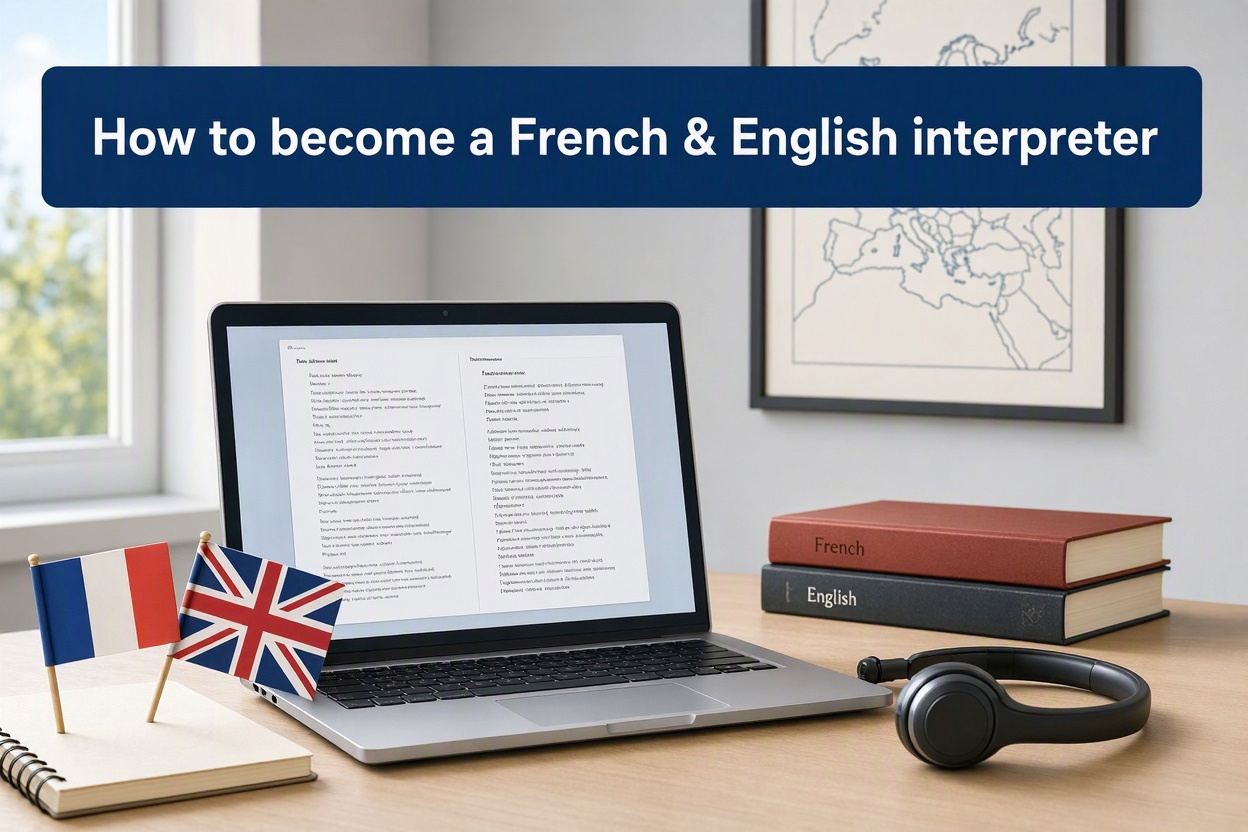
French and English are two widely used languages in international business, diplomacy, education, tourism, and global communication. As organizations continue to work across linguistic and cultural boundaries, the ability to communicate accurately between these languages remains valuable. For people who enjoy languages and cross-cultural communication, becoming a French and English interpreter can be a rewarding
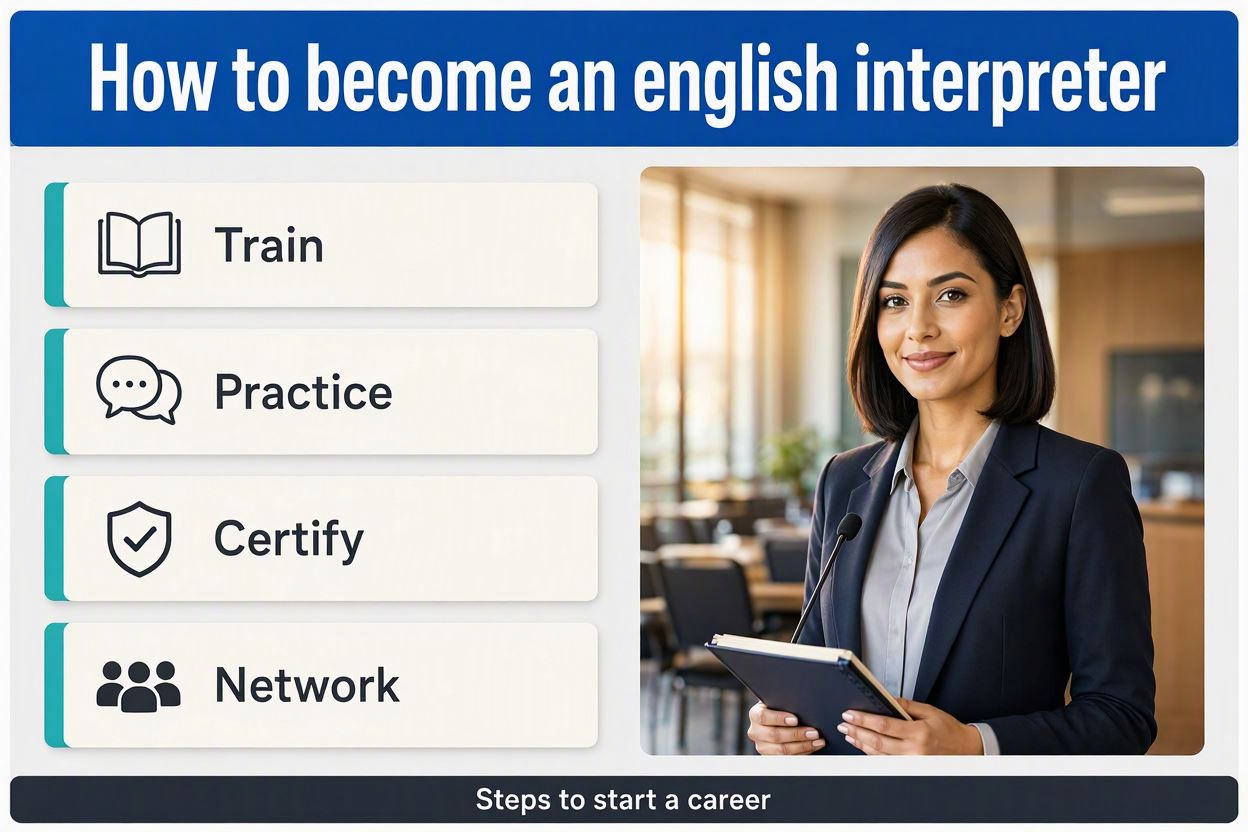
English is one of the most widely used languages for international communication. As businesses, organizations, and individuals increasingly work across borders, the demand for professional English interpreters continues to grow. If you have strong English skills, enjoy communicating with people, and are interested in working in a multicultural environment, becoming an English interpreter can be
If you want to become a French interpreter, you’ll need more than just strong French—you need to develop professional interpreting skills, subject knowledge, and experience. A practical path Reach a high level in French Aim for C1–C2 French, especially listening and speaking. If you’re in Vietnam, the DELF/DALF can provide formal evidence of your French