
by admin
Share
by admin
Share
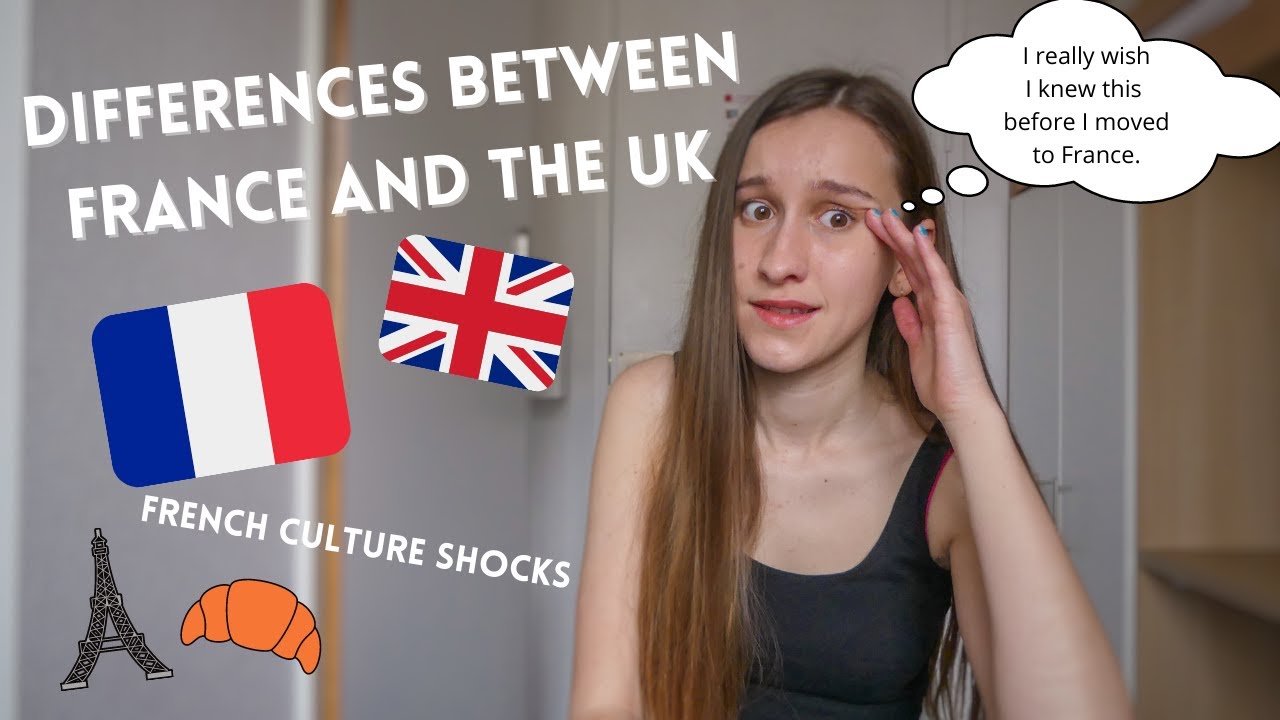
English and French cultures share a lot of history, but in everyday life they can feel surprisingly different. Here’s a clear, practical comparison so you know what to expect:
🇬🇧 vs 🇫🇷 Core cultural mindset
- England (UK): values politeness, understatement, and emotional restraint
- France: values expression, debate, and intellectual engagement
👉 A British person may avoid conflict; a French person may lean into it as discussion, not argument.
🗣️ Communication style
- British communication
- Indirect, subtle, often uses humor or irony
- “That’s interesting” can mean “I disagree”
- French communication
- Direct, analytical, sometimes blunt
- People openly challenge ideas (especially in cities like Paris)
👉 Don’t mistake directness for rudeness—it’s often just normal conversation in France.
🙏 Politeness & social etiquette
- UK
- “Please”, “sorry”, and “thank you” used constantly
- Queueing (lining up) is almost sacred
- France
- Politeness is formal, not frequent
- Saying “Bonjour” first is essential before any interaction
👉 In France, skipping “Bonjour” feels rude—even more than not saying “please”.
🍽️ Food culture
- UK
- Eating is more functional
- Faster meals, flexible timing
- France
- Food is a central cultural ritual
- Meals are slower, structured (starter → main → dessert)
- Lunch can be long, especially outside big cities
🕒 Attitude toward time
- UK
- Punctuality is very important
- Being late = disrespectful
- France
- Punctual, but more flexible in social settings
- Meals and conversations matter more than strict timing
👔 Work & life balance
- UK
- More work-oriented, especially in cities like London
- Shorter lunches, longer working hours
- France
- Strong separation between work and personal life
- Long lunches, protected vacation time
❤️ Attitude toward life
- British
- Reserved, self-deprecating humor
- Avoid showing strong emotions publicly
- French
- More expressive, passionate
- Comfortable discussing philosophy, politics, art
🎯 What surprises travelers most
- In France:
- You must greet before asking
- People may correct you openly
- Meals take time
- In the UK:
- People apologize a lot (even when not at fault)
- Conversations are more “soft” and indirect
🧠 Simple way to remember
- UK = polite & indirect
- France = expressive & structured
STAY IN THE LOOP
Subscribe to our free newsletter.
Leave A Comment
If you want to become a French interpreter, you’ll need more than just strong French—you need to develop professional interpreting skills, subject knowledge, and experience. A practical path Reach a high level in French Aim for C1–C2 French, especially listening and speaking. If you’re in Vietnam, the DELF/DALF can provide formal evidence of your French
There’s no universal “best” CAT tool; the right choice depends on whether you’re a freelancer, LSP, or enterprise localization team. CAT tool Particularly suited to Key strengths Trados Studio Professional translators, LSPs, enterprises Mature TM and terminology management, broad ecosystem, extensive integrations memoQ Freelancers and LSP teams Strong project collaboration, translation resources, and interoperability Phrase

Becoming a professional Chinese interpreter requires more than simply speaking Chinese. You need strong language skills, excellent listening and speaking abilities, cultural awareness, and the ability to communicate information accurately and quickly. Here is a practical step-by-step path. 1. Master Chinese Start by developing a strong command of Mandarin Chinese. Focus on: Pronunciation and tones Listening comprehension Speaking fluency Vocabulary and grammar Formal and business Chinese Common idioms
Choosing whether to learn Chinese or French depends entirely on your personal goals, career ambitions, and lifestyle preferences. Both languages offer incredible value, but they open doors to entirely different economic spheres, cultures, and career paths. Here is a side-by-side comparison to help you decide which language aligns best with your future: 1. Chinese: The