
by admin
Share
by admin
Share
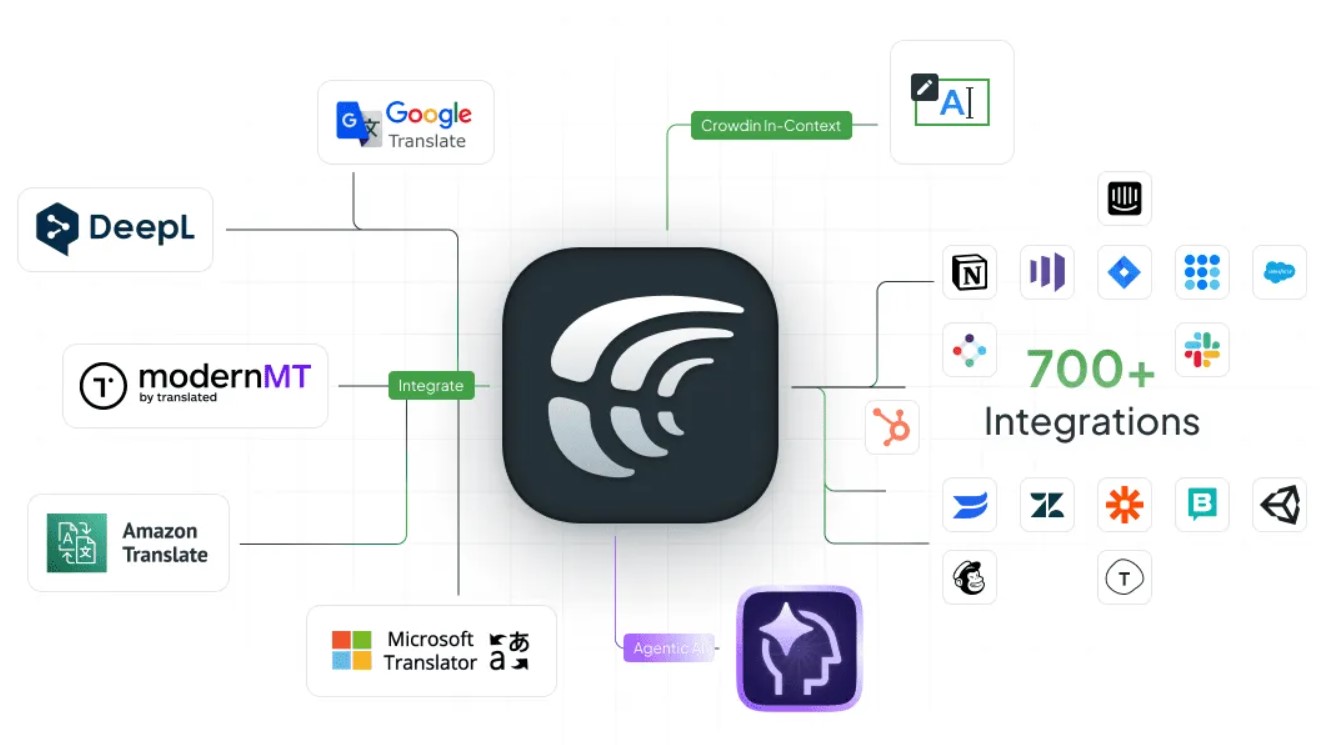
Here are the Top 9 translation software in 2026, based on recent expert reviews, feature comparisons, and real-world usage 👇
🔝 Top 9 Translation Software (2026)
1. Sonix
- ⭐ Best overall (audio + video + text)
- Accuracy up to ~99%
👉 Great for meetings, podcasts, interviews
2. DeepL
- 🌟 Best for natural, human-like translation
- Strong contextual understanding
👉 Ideal for professional documents
3. Google Translate
- 🌍 Supports 100+ languages
- Voice, camera, offline translation
👉 Best free, everyday tool
4. SDL Trados Studio
- 🏢 Industry-standard CAT tool
- Advanced Translation Memory
👉 Best for professional translators
5. Text United
- ☁️ Cloud-based collaboration
- Centralized translation workflows
👉 Good for teams & businesses
6. Transifex
- 💻 App & software localization
- Automation + AI
👉 Ideal for SaaS & developers
7. Crowdin
- 🌐 Collaborative translation
- Integrates with dev tools
👉 Great for startups & dev teams
8. Lokalise
- ⚙️ Continuous localization (CI/CD)
- Developer-friendly
👉 Popular among product teams
9. Unbabel
- 💬 AI + human translation hybrid
👉 Best for customer support & global businesses
📊 Quick Comparison
| Software | Best for | Key strength |
|---|---|---|
| Sonix | Audio/video | Accuracy + transcription |
| DeepL | Documents | Natural translation |
| Google Translate | Daily use | Language coverage |
| Trados | Professionals | Translation memory |
| Text United | Teams | Workflow management |
| Transifex | Developers | Localization |
| Crowdin | Collaboration | Team workflow |
| Lokalise | Dev teams | CI/CD integration |
| Unbabel | Business | AI + human |
👉 Which one should you choose?
- Daily use / quick translation: Google Translate
- High-quality translation: DeepL
- Professional translation: SDL Trados
- Software / app localization: Crowdin, Lokalise, Transifex
- Audio/video translation: Sonix
STAY IN THE LOOP
Subscribe to our free newsletter.
Leave A Comment
French is one of the world’s major international languages, widely used in business, diplomacy, education, tourism, and international cooperation. As communication between French-speaking countries and the rest of the world continues to create professional opportunities, skilled French interpreters play an important role in helping people communicate across language barriers. If you are passionate about languages
French and English are two widely used languages in international business, diplomacy, education, tourism, and global communication. As organizations continue to work across linguistic and cultural boundaries, the ability to communicate accurately between these languages remains valuable. For people who enjoy languages and cross-cultural communication, becoming a French and English interpreter can be a rewarding

English is one of the most widely used languages for international communication. As businesses, organizations, and individuals increasingly work across borders, the demand for professional English interpreters continues to grow. If you have strong English skills, enjoy communicating with people, and are interested in working in a multicultural environment, becoming an English interpreter can be
If you want to become a French interpreter, you’ll need more than just strong French—you need to develop professional interpreting skills, subject knowledge, and experience. A practical path Reach a high level in French Aim for C1–C2 French, especially listening and speaking. If you’re in Vietnam, the DELF/DALF can provide formal evidence of your French