
by admin
Share
by admin
Share
If you’re traveling in France, the best translation apps are the ones that handle:
- spoken French conversations,
- restaurant menus,
- train stations/signs,
- and offline use when your signal is weak.
Here are the top apps travelers consistently recommend:
1. Google Translate — Best Overall for France
Best for:
- everyday travel,
- restaurants,
- directions,
- quick conversations.
Key features:
- Camera translation for menus/signs
- Voice conversation mode
- Offline French pack
- Very fast and easy to use
France-specific advantage:
French signage, train information, and menus translate very well with Google’s camera mode.
Travelers on Reddit also say it works reliably across Europe for trains, restaurants, and asking directions.
Best setup:
- Download French offline pack before flying
- Save key phrases in Favorites
2. DeepL Translator — Best French Accuracy
Best for:
- translating written French,
- menus,
- hotel messages,
- emails,
- longer conversations.
Why it’s excellent in France:
DeepL is especially strong for European languages, particularly French. Many language learners and travelers consider it more natural than Google Translate for French nuance.
Strengths:
- More natural French phrasing
- Better grammar/context
- Excellent for polite French
Weakness:
- Not as strong for live camera translation
Ideal combo:
Use DeepL for text + Google Translate for camera/voice.
3. Microsoft Translator — Best for Conversations
Best for:
- talking with locals,
- group travel,
- guided tours,
- Airbnb hosts.
Standout feature:
Multi-person conversation translation.
Advantages:
- Strong offline support
- Good voice translation
- Cleaner conversation interface than some competitors
Especially useful if:
- you travel with friends/family,
- several languages are involved.
4. Apple Translate — Best for iPhone Users
Best for:
- simple travel use,
- offline conversations,
- privacy-focused users.
Why people like it:
- Built into iPhone
- Smooth voice conversations
- Works offline very well for French
Limitation:
- Fewer supported languages than Google
If you already use iPhone:
This may be enough for a France trip without installing extra apps.
5. iTranslate — Good Paid Alternative
Best for:
- frequent travelers,
- voice-heavy use,
- phrase translation.
Features:
- Voice translation
- Camera translation
- Offline mode (premium)
- Phrasebook support
Good if:
you travel internationally often and want a polished interface.
Best Combo for France
Casual tourist (most people)
- Google Translate
- DeepL
iPhone users
- Apple Translate
- DeepL
Backpacking/offline travel
- Google Translate offline pack
- Microsoft Translator offline pack
Food lovers in France
- DeepL for menus
- Google camera translation
Some travel guides specifically note that French culinary vocabulary can confuse generic translators, and DeepL tends to interpret menu wording more naturally.
Important France Travel Tips
Before your trip:
- Download offline French
- Screenshot your hotel address in French
- Learn a few phrases — locals appreciate the effort
Useful basics:
- Bonjour = Hello
- Merci = Thank you
- Parlez-vous anglais ? = Do you speak English?
- L’addition, s’il vous plaît = The bill, please
In France, even attempting a little French usually leads to friendlier interactions.
STAY IN THE LOOP
Subscribe to our free newsletter.
Leave A Comment
French is one of the world’s major international languages, widely used in business, diplomacy, education, tourism, and international cooperation. As communication between French-speaking countries and the rest of the world continues to create professional opportunities, skilled French interpreters play an important role in helping people communicate across language barriers. If you are passionate about languages
French and English are two widely used languages in international business, diplomacy, education, tourism, and global communication. As organizations continue to work across linguistic and cultural boundaries, the ability to communicate accurately between these languages remains valuable. For people who enjoy languages and cross-cultural communication, becoming a French and English interpreter can be a rewarding
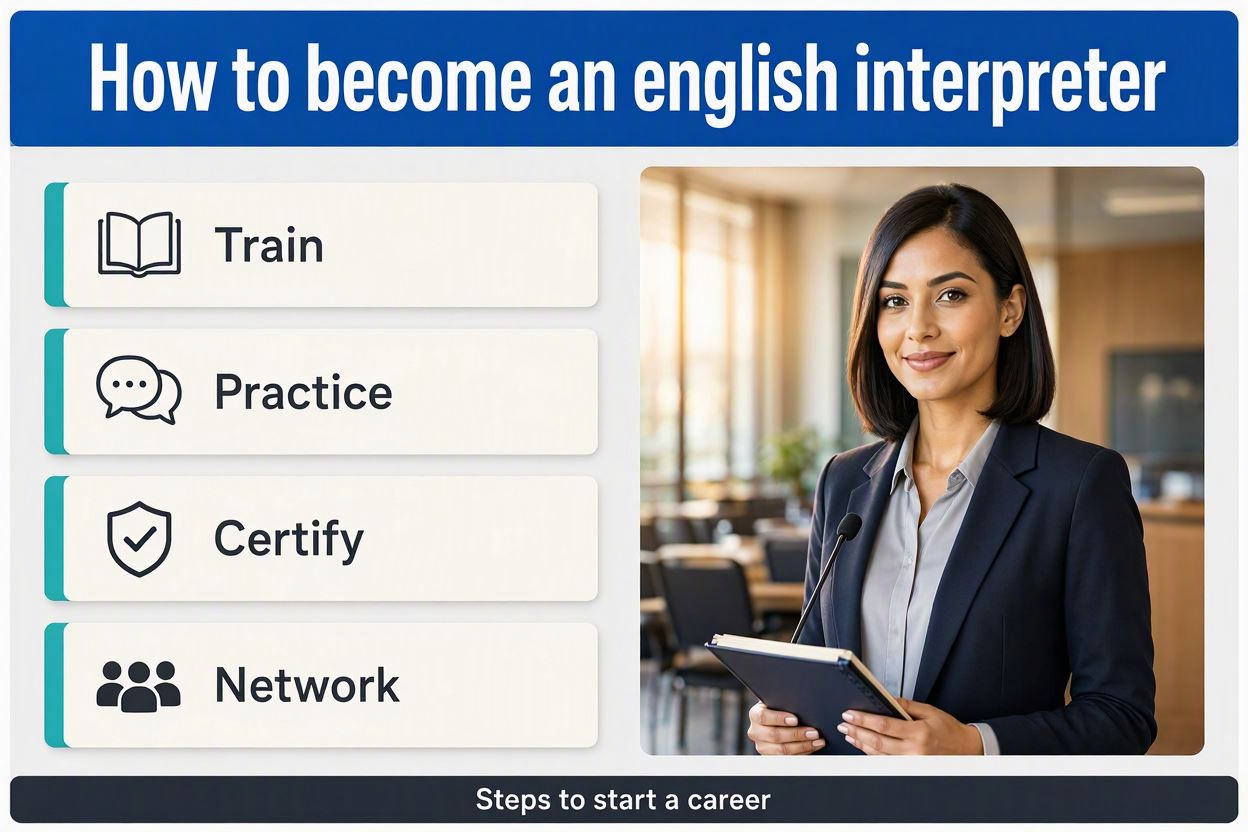
English is one of the most widely used languages for international communication. As businesses, organizations, and individuals increasingly work across borders, the demand for professional English interpreters continues to grow. If you have strong English skills, enjoy communicating with people, and are interested in working in a multicultural environment, becoming an English interpreter can be
If you want to become a French interpreter, you’ll need more than just strong French—you need to develop professional interpreting skills, subject knowledge, and experience. A practical path Reach a high level in French Aim for C1–C2 French, especially listening and speaking. If you’re in Vietnam, the DELF/DALF can provide formal evidence of your French