
by admin
Share
by admin
Share
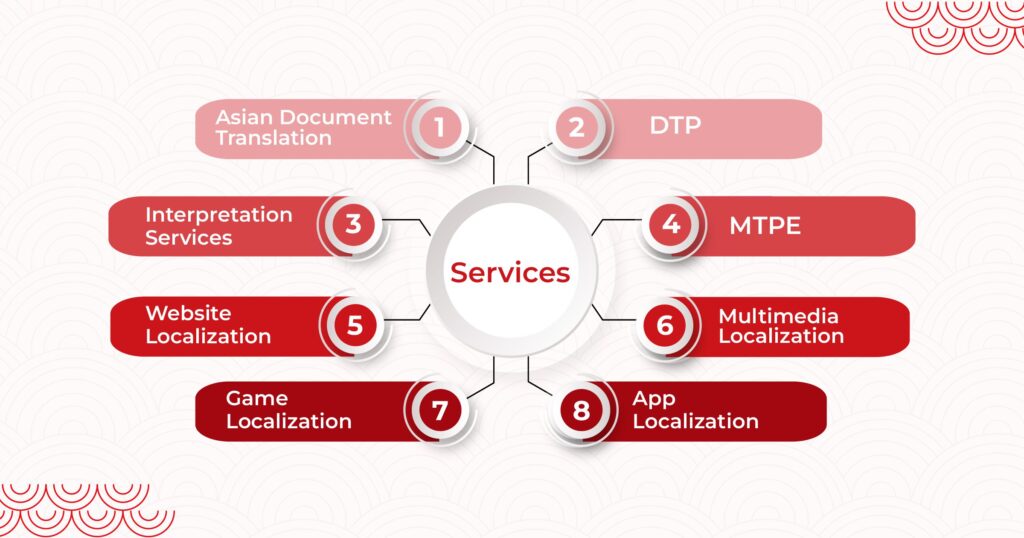
If you’re looking for professional Asian translation & localization services, the challenge isn’t finding any provider—it’s filtering out generic vendors and identifying ones that truly handle language + culture + industry specialization.
Here’s a clear, practical way to do that (with real examples in Vietnam and global options):
1. Understand what “localization” really means
Translation ≠ localization.
A serious provider should offer:
- Cultural adaptation (tone, idioms, UX)
- Industry-specific terminology
- Multilingual scaling (not just 1–2 languages)
For example, TDN Translation provides not just translation but software, game, and media localization, including subtitling and voice-over .
2. Start with proven Asian-focused companies
Here are some credible providers you can evaluate:
Vietnam-based (strong for Asian languages)
- TDN Translation → localization + ISO-certified, strong in technical + Asian languages
Global companies (for large-scale projects)
From industry + community discussions:
- TransPerfect
- Lionbridge
- RWS
These handle enterprise-level multilingual projects and AI-assisted workflows .
3. Evaluate them properly (this is where most people fail)
Don’t just ask “price per word.” Instead, check:
✔ Industry expertise
- Tech, legal, medical, gaming, etc.
Example: TDN Translation handles sectors from healthcare to engineering
✔ Localization capability
Ask:
- Do they adapt UI/UX, not just text?
- Do they handle SEO localization?
✔ Native linguists
Good companies use native speakers with 5+ years experience
✔ Workflow
Look for:
- Translation → editing → QA
- CAT tools / translation memory
4. Always test before committing
Request:
- Sample translation
- Small paid pilot project
This is the fastest way to detect:
- Machine-translated output
- Poor cultural adaptation
5. Choose based on your use case
| Use case | Best option |
|---|---|
| Startup / small business | Vietnam agencies (cost-effective) |
| App / SaaS | Localization specialists (SEAtell, Lotus) |
| Enterprise / global rollout | TransPerfect, RWS |
| Technical content | TDN |
6. Red flags to avoid
- Extremely low prices → likely machine translation
- No mention of localization (only “translation”)
- No client references or industries listed
Bottom line
A “professional Asian localization service” should combine:
👉 language accuracy + cultural adaptation + industry expertise + scalable workflow
If you tell me:
- Your target languages (e.g., Japanese, Korean, Chinese)
- Type of content (website, legal, app, marketing)
- Budget range
I can shortlist the best 2–3 companies specifically for your case.
STAY IN THE LOOP
Subscribe to our free newsletter.
Leave A Comment
French is one of the world’s major international languages, widely used in business, diplomacy, education, tourism, and international cooperation. As communication between French-speaking countries and the rest of the world continues to create professional opportunities, skilled French interpreters play an important role in helping people communicate across language barriers. If you are passionate about languages

French and English are two widely used languages in international business, diplomacy, education, tourism, and global communication. As organizations continue to work across linguistic and cultural boundaries, the ability to communicate accurately between these languages remains valuable. For people who enjoy languages and cross-cultural communication, becoming a French and English interpreter can be a rewarding
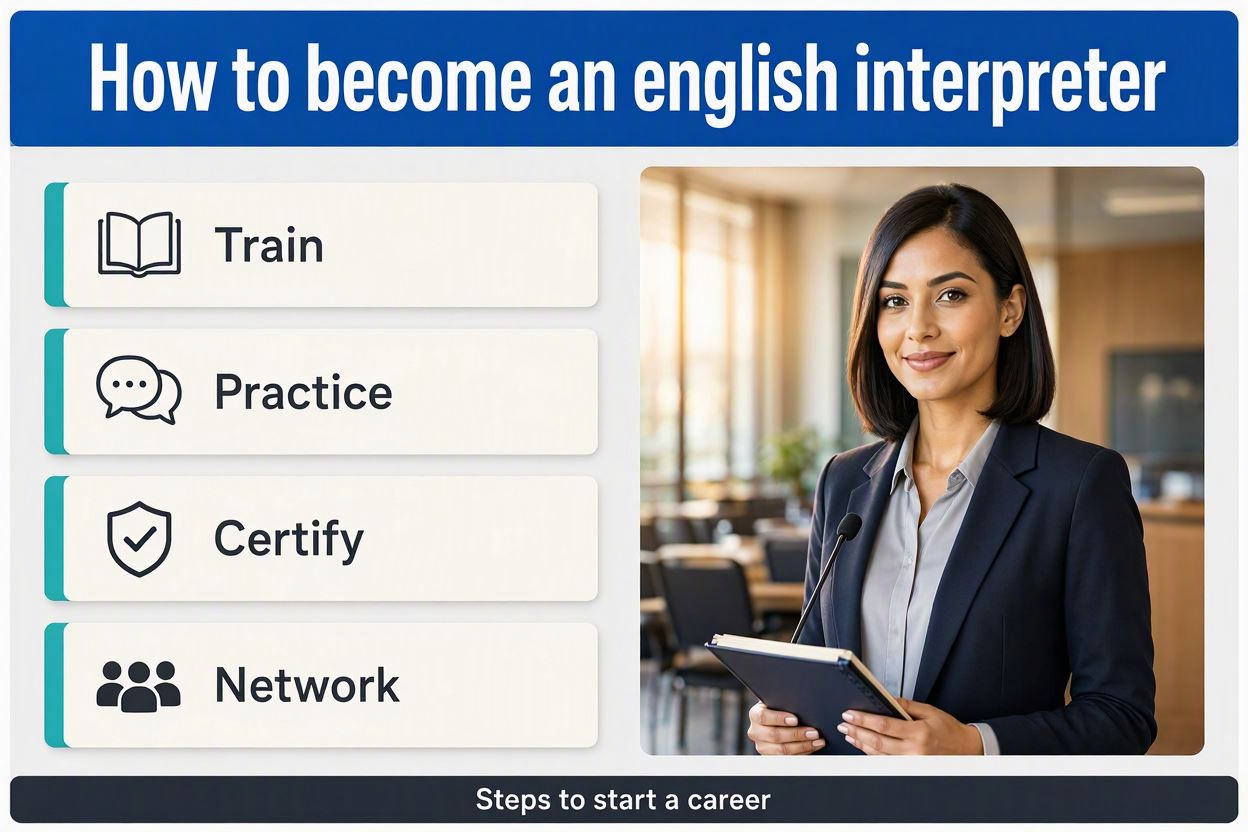
English is one of the most widely used languages for international communication. As businesses, organizations, and individuals increasingly work across borders, the demand for professional English interpreters continues to grow. If you have strong English skills, enjoy communicating with people, and are interested in working in a multicultural environment, becoming an English interpreter can be
If you want to become a French interpreter, you’ll need more than just strong French—you need to develop professional interpreting skills, subject knowledge, and experience. A practical path Reach a high level in French Aim for C1–C2 French, especially listening and speaking. If you’re in Vietnam, the DELF/DALF can provide formal evidence of your French