
by admin
Share
by admin
Share
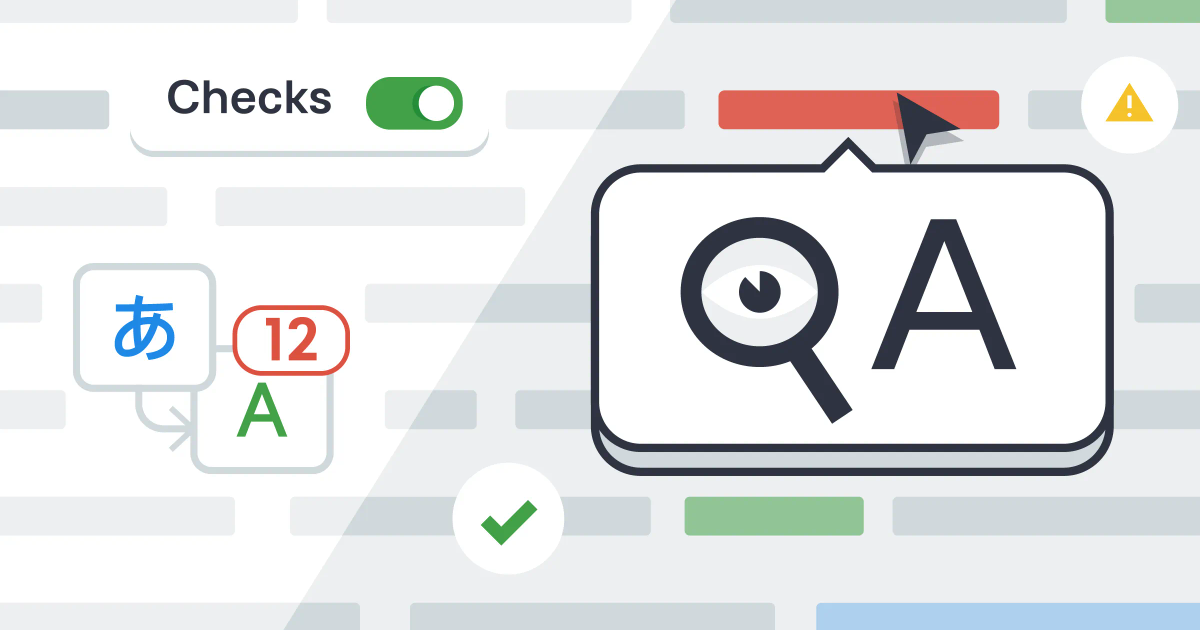
In 2026, the landscape of Translation Quality Assurance (QA) has shifted from simple “error-catching” to AI-driven quality estimation (QE) and continuous measurement systems.
The following are the 10 best translation QA and quality management software options for 2026, categorized by their specific strengths:
1. Dedicated QA Specialized Tools
These tools are built specifically to find inconsistencies, terminology errors, and formatting issues across multiple files.
-
Xbench (ApSIC): Still the industry workhorse. In 2026, it remains the fastest tool for scanning large bilingual files for “blind” errors and managing complex termbases.
-
Verifika: Known for its highly customizable “Check Profiles.” It excels in detecting subtle grammar errors and tag mismatches that standard CAT tools might miss.
-
ErrorSpy: The “quantifiable” QA tool. It’s preferred by government and legal sectors for its ability to produce a standardized “Quality Score” based on international metrics.
2. AI-Powered Quality Estimation (QE)
The biggest trend in 2026 is Quality Estimation, which uses AI to predict the quality of a translation without a human reference.
-
Phrase (formerly Memsource): Leads with its AI QE (Quality Estimation) feature. It flags segments that likely need human review, allowing managers to skip the review of high-confidence “perfect” segments.
-
ModelFront: A specialized API-driven tool that predicts translation errors. It is used by large enterprises to decide instantly whether a machine-translated string needs a human editor or can go straight to publish.
3. Integrated CAT Tool QA Suites
Most professional translators use the built-in QA modules within their primary translation software.
-
Trados Studio (QA Checker): The gold standard for document-based QA. In 2026, it features enhanced AI-powered terminology matching and “RegEx” (Regular Expression) support for complex automated checks.
-
memoQ (LQA Module): Specifically favored for its Linguistic Quality Assurance (LQA) module, which allows reviewers to categorize errors (e.g., “Mistranslation,” “Style,” “Terminology”) for detailed feedback reports.
-
Smartcat: A cloud-based favorite for 2026 due to its built-in automated QA that works in real-time, preventing errors as the translator types.
4. Enterprise & Localization Systems
For high-volume, agile projects (like apps and software), these platforms integrate QA into the development workflow.
-
Crowdin (LQA App): Offers a marketplace of QA extensions. In 2026, it supports the MQM-DQF standard, allowing teams to grade translations using professional-grade scoring frameworks.
-
Lokalise: Best for developers. It includes automated checks for “broken variables” and “placeholder mismatches,” ensuring that a translation doesn’t “break” the software code.
Summary Table: Which one should you choose?
| Software | Best For | Key Feature (2026) |
| Xbench | Speed & Bulk Checking | Support for 50+ file formats |
| Phrase | Automation | AI Quality Estimation (QE) |
| memoQ | Structured Feedback | Detailed LQA Error Categorization |
| Verifika | Detailed Grammar/Tag QA | Sophisticated false-positive filters |
| ModelFront | Enterprise MT Workflows | Automated “Human vs. Machine” routing |
Pro Tip for 2026: Quality is no longer just about “correctness.” Look for tools that support MQM (Multidimensional Quality Metrics), as this is the standard used by modern global brands to ensure “Brand Voice” and “Cultural Fit” are maintained.
STAY IN THE LOOP
Subscribe to our free newsletter.
Leave A Comment
French is one of the world’s major international languages, widely used in business, diplomacy, education, tourism, and international cooperation. As communication between French-speaking countries and the rest of the world continues to create professional opportunities, skilled French interpreters play an important role in helping people communicate across language barriers. If you are passionate about languages
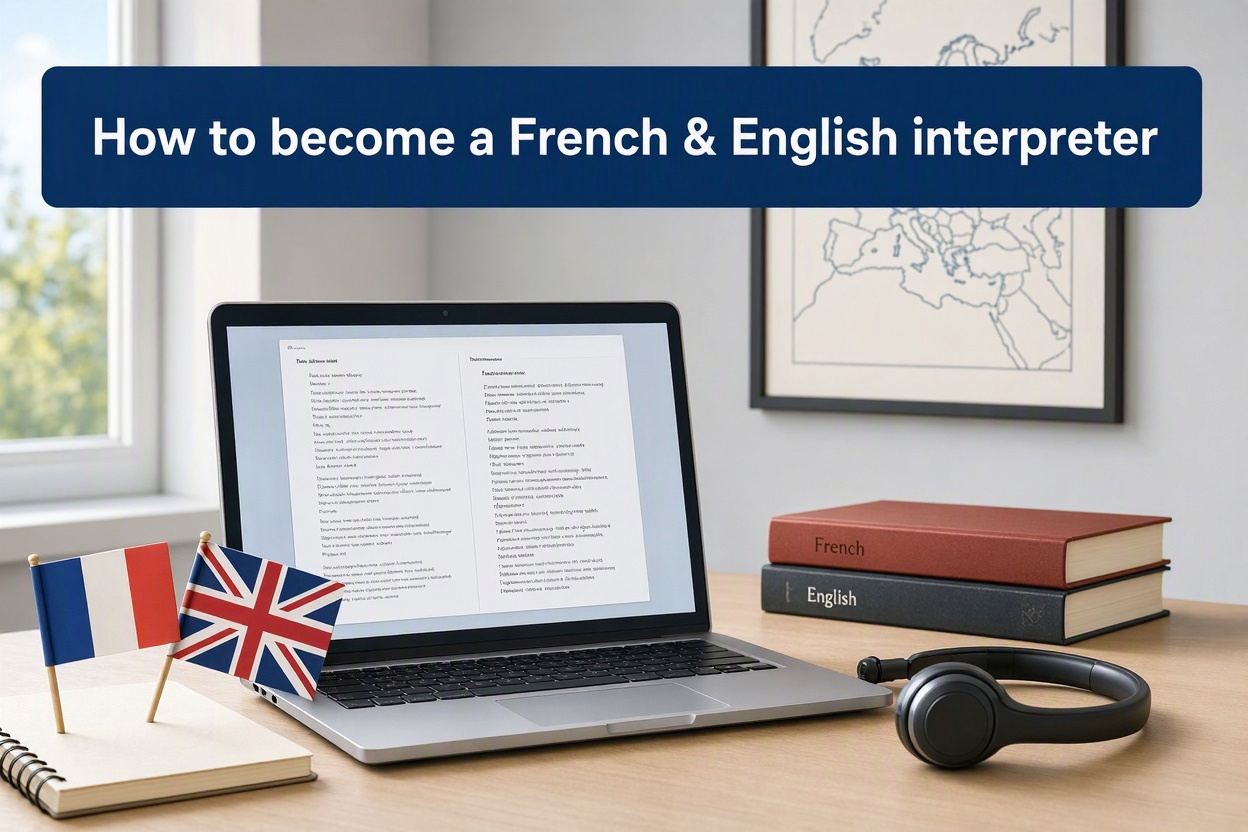
French and English are two widely used languages in international business, diplomacy, education, tourism, and global communication. As organizations continue to work across linguistic and cultural boundaries, the ability to communicate accurately between these languages remains valuable. For people who enjoy languages and cross-cultural communication, becoming a French and English interpreter can be a rewarding

English is one of the most widely used languages for international communication. As businesses, organizations, and individuals increasingly work across borders, the demand for professional English interpreters continues to grow. If you have strong English skills, enjoy communicating with people, and are interested in working in a multicultural environment, becoming an English interpreter can be

If you want to become a French interpreter, you’ll need more than just strong French—you need to develop professional interpreting skills, subject knowledge, and experience. A practical path Reach a high level in French Aim for C1–C2 French, especially listening and speaking. If you’re in Vietnam, the DELF/DALF can provide formal evidence of your French