
by admin
Share
by admin
Share
Website localization is important because it helps your website connect with users in different markets as if it were made just for them—not just translated for them.
Here’s why it really matters 👇
1. People trust what feels familiar
Users are far more likely to trust a website that:
-
Uses their language naturally
-
Shows local currency, date formats, and cultural references
-
Avoids awkward or “foreign-sounding” phrasing
Trust = higher engagement + higher conversion.
2. It boosts conversion rates
Visitors are much more likely to:
-
Sign up
-
Make a purchase
-
Contact you
when the website speaks their language and matches their cultural expectations.
A localized call-to-action often performs much better than a literal translation.
3. It improves user experience
Localization adapts:
-
Navigation and layout expectations
-
Tone (formal vs casual)
-
Images, colors, symbols
This reduces confusion and friction, making users feel comfortable instead of lost.
4. It gives you a competitive edge
Many global companies only translate.
Companies that localize:
-
Stand out immediately
-
Feel more “local” than competitors
-
Win market share faster
In many regions, localization is a business advantage, not a nice-to-have.
5. It supports SEO in local markets
Localized websites:
-
Rank better in local search engines
-
Use local keywords, not direct translations
-
Match how people actually search in that country
Translation alone often fails here.
6. It helps avoid cultural and legal mistakes
Poor localization can:
-
Offend users unintentionally
-
Break local advertising or consumer laws
-
Damage brand reputation
Good localization protects your brand.
In short
Website localization turns global visitors into local users.
It’s not just about language—it’s about relevance, trust, and growth.
If you want, I can:
-
Rewrite this into a presentation
-
Give real-world localization success/failure examples
-
Help you create a website localization checklist
STAY IN THE LOOP
Subscribe to our free newsletter.
Leave A Comment
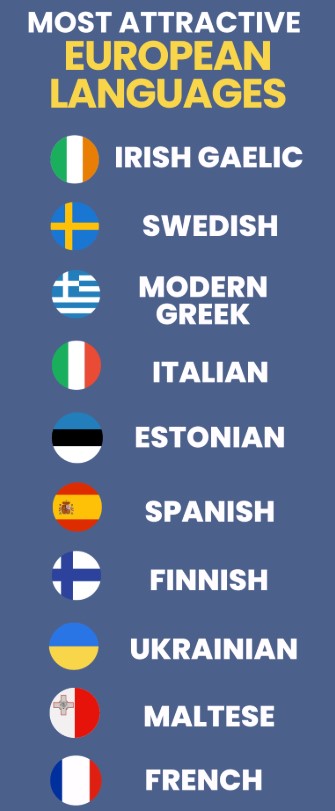
“Most beautiful” is subjective—but globally, some languages are widely admired for their sound, rhythm, and elegance. Here’s a popular Top 10, with why people find each one beautiful: 🌍 🎼 Top 10 Most Beautiful Languages 🥇 1. Italian language 👉 Often called the language of music Smooth, flowing vowels Words end in vowels → very

English is often considered one of the hardest languages to pronounce for learners. This difficulty mainly comes from the way spelling and pronunciation do not match consistently. Here are the main reasons: 1. Spelling and pronunciation are very inconsistent In English, the same letter combination can be pronounced in many different ways. Example with “ough”:
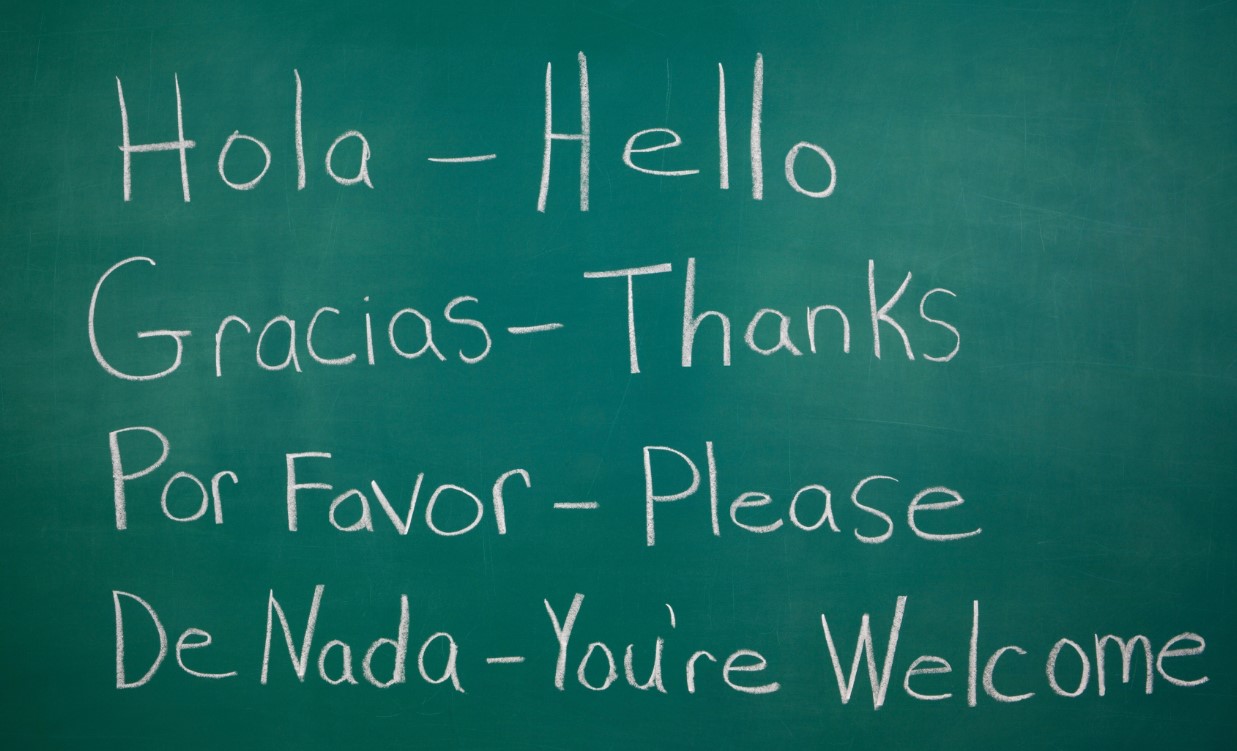
Whether English or Spanish is harder to learn depends mostly on your native language and learning goals, but in general many learners find Spanish slightly easier. Here’s a clear comparison: 1. Pronunciation Spanish: Easier Words are usually pronounced exactly as they are written. Only about 5 vowel sounds. English: Harder Many irregular pronunciations. Example: through,

Translating software documentation (English → Vietnamese) is challenging because it mixes technical terminology, UI language, and instructions. Many translators—even experienced ones—make recurring mistakes. Here are the most common ones and how to avoid them. 1️⃣ Translating technical terms too literally Many IT terms should not be translated word-for-word. Example Incorrect Correct Giao diện lập trình