
by admin
Share
by admin
Share
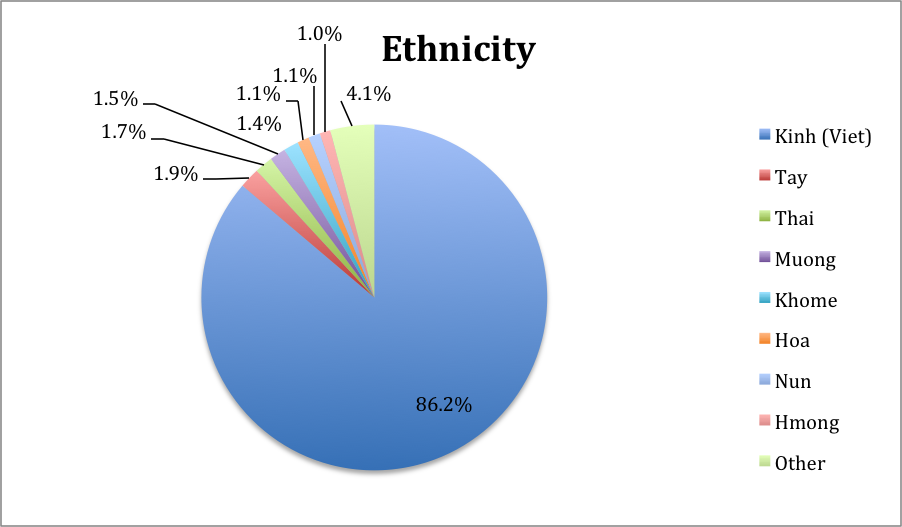
Languages of Vietnam
Vietnam is one of Southeast Asia’s most linguistically diverse countries. It recognizes 54 ethnic groups, many with their own languages.
1️⃣ Official Language
Vietnamese (Tiếng Việt)
-
Official national language
-
Spoken by ~85–90% of the population
-
Belongs to the Austroasiatic language family
-
Written in the Latin-based Quốc Ngữ script
Vietnamese developed under strong historical influence from China (especially vocabulary) and later from France (modern script and loanwords).
2️⃣ Major Minority Language Families
Vietnam’s minority languages fall into several major language families:
🟢 Austroasiatic (besides Vietnamese)
-
Khmer (Khmer Krom) – related to the official language of Cambodia
-
Mường
-
Bahnar
-
Sedang
🔵 Tai–Kadai
-
Tày
-
Thái
-
Nùng
Mostly spoken in northern mountainous regions.
🟣 Hmong–Mien
-
Hmong
-
Dao (Yao)
Found mainly in highland areas of northern Vietnam.
🟠 Austronesian
-
Cham
-
Jarai
-
Ede
Cham is linked historically to the ancient Champa civilization.
🔴 Sino-Tibetan
-
Hoa (ethnic Chinese communities)
Includes dialects such as Cantonese, Teochew, and Hakka.
3️⃣ Foreign Languages Widely Used
-
English – most popular foreign language today
-
French – legacy of colonial period
-
Chinese (Mandarin) – growing importance
-
Korean & Japanese – due to investment and trade
-
Russian – historically important
STAY IN THE LOOP
Subscribe to our free newsletter.
Leave A Comment
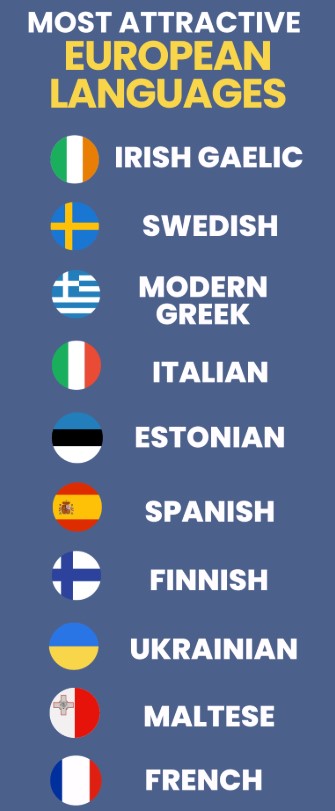
“Most beautiful” is subjective—but globally, some languages are widely admired for their sound, rhythm, and elegance. Here’s a popular Top 10, with why people find each one beautiful: 🌍 🎼 Top 10 Most Beautiful Languages 🥇 1. Italian language 👉 Often called the language of music Smooth, flowing vowels Words end in vowels → very
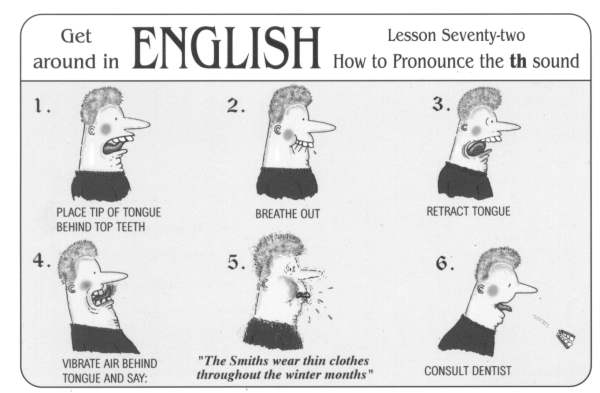
English is often considered one of the hardest languages to pronounce for learners. This difficulty mainly comes from the way spelling and pronunciation do not match consistently. Here are the main reasons: 1. Spelling and pronunciation are very inconsistent In English, the same letter combination can be pronounced in many different ways. Example with “ough”:

Whether English or Spanish is harder to learn depends mostly on your native language and learning goals, but in general many learners find Spanish slightly easier. Here’s a clear comparison: 1. Pronunciation Spanish: Easier Words are usually pronounced exactly as they are written. Only about 5 vowel sounds. English: Harder Many irregular pronunciations. Example: through,

Translating software documentation (English → Vietnamese) is challenging because it mixes technical terminology, UI language, and instructions. Many translators—even experienced ones—make recurring mistakes. Here are the most common ones and how to avoid them. 1️⃣ Translating technical terms too literally Many IT terms should not be translated word-for-word. Example Incorrect Correct Giao diện lập trình